
Did you know that employing a trolley lift in your workplace can significantly decrease employee injuries, with models capable of moving up to 500kg? As vital tools in warehousing, manufacturing, and logistics, trolley lifts, also called hydraulic lift carts, use hydraulic lift mechanisms to facilitate the positioning and transport of heavy loads. This not only enhances safety but also boosts efficiency and reduces repetitive strain on workers.
By leveraging hydraulic power, these incredible devices ensure smooth lift trolley operation, making them an indispensable asset in any setting where material handling is crucial. Their simple, low-maintenance design offers significant time and cost savings, allowing businesses to streamline their processes while keeping their employees safe and productive.
Introduction to Trolley Lifts
In today’s fast-paced work environments, maintaining productivity and ensuring employee safety are paramount. Trolley lifts are becoming invaluable tools across various industries due to their ability to facilitate the efficient movement of materials. They are designed to ease the transportation of heavy goods, thereby significantly enhancing workplace efficiency.
What Are Trolley Lifts?
A trolley lift, often referred to as a hydraulic lift cart or goods trolley, utilises hydraulic power to lift and move heavy items with minimal exertion from the user. This mechanism ensures a smooth and balanced lifting process, making it possible to handle floor-level loads of up to 500kg. Various models cater to different needs, with capacities ranging from 250kg for smaller operations to 500kg for more substantial loads.
The Importance of Trolley Lifts
Integrating trolley lifts into daily operations offers numerous advantages. Firstly, these lifts significantly reduce the risk of job-related injuries, as they require less physical strain during the lifting and transportation of goods. This ergonomic improvement inherently leads to better employee wellbeing. Furthermore, the use of trolley lifts enhances workplace efficiency by saving valuable time.
Aside from preventing injuries and boosting efficiency, trolley lifts contribute substantially to mobility enhancement within a facility. They can cover distances up to 18m and accommodate up to six stops, adapting efficiently to various floor layouts. Businesses can choose from manual, electric, or hybrid models tailored to their specific needs. Engaging with reputable suppliers who provide comprehensive support services, including design assistance, professional installation, warranty options, and maintenance, ensures optimal performance and longevity of these invaluable tools.

The Mechanics of Trolley Lifts
Trolley lifts rely on hydraulic power to achieve the lifting mechanics essential for varied industrial applications. Hydraulic power involves transferring force through an incompressible liquid, typically oil, within a cylinder-piston setup, converting small applied forces into substantial lifting capabilities.
Hydraulic Power in Trolley Lifts
Hydraulic power is central to trolley lifts, facilitating the mechanics of lifting heavy loads with efficiency and precision. Hydraulic circuits direct the flow and pressure of hydraulic fluid, while a pump converts mechanical power into hydraulic energy, ensuring smooth operation. Hydraulic motors provide rotational motion, whereas pistons deliver linear force, all pivotal for the effective functioning of trolley lifts.
Benefits of Using Trolley Lifts in the Workplace
The deployment of trolley lifts in a workplace brings numerous advantages, paving the way for efficient material handling while fostering an ergonomic workplace solution. One of the most significant benefits is the enhancement of workplace safety. Overexertion and bodily reactions lead to approximately 28 incidents per 10,000 full-time workers annually, causing an average of 12 lost workdays per incident. By using trolley lifts, businesses can dramatically reduce these figures, promoting a safer working environment.
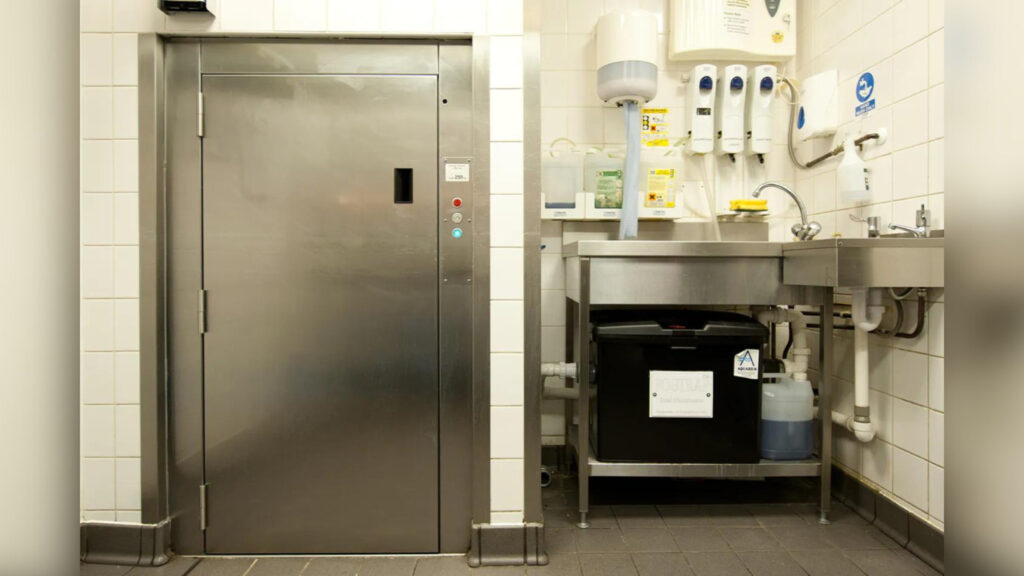
Trolley lifts, such as those from Husbands Lifts, can handle heavy loads up to 500 kg, offering a cost-effective lifting solution across various industrial sectors, including food, pharmaceutical, and chemical industries. These lifts facilitate the secure transport of heavy or awkward items, substantially reducing the risk of damage to goods and preventing costly accidents. Their compact and lightweight design ensures they are manoeuvrable and flexible, ideal for smaller spaces and enhancing overall operational efficiency.
Implementing trolley lifts also supports improved productivity by reducing cycle times. Employees experience less physical strain, leading to fewer injuries and reduced absenteeism. The ergonomic workplace solution provided by trolley lifts contributes to better health outcomes and higher productivity rates, as lifting trolleys have been shown to eliminate up to 100% of manual lifting movements for certain tasks.
Moreover, trolley lifts offer hygienic advantages in industries with stringent sanitary requirements. Husbands’ stainless-steel trolleys are specifically designed for easy cleaning, making them perfect for environments like food processing and healthcare. This not only supports maintaining strict hygiene standards but also contributes to a healthier and safer workplace overall.
In summary, the advantages of trolley lifts extend beyond simple material transportation. Their role in promoting efficient material handling, providing a cost-effective lifting solution, and enhancing workplace safety makes them an indispensable asset in modern industrial settings. By integrating trolley lifts, businesses can achieve substantial improvements in both safety and productivity, offering a clear return on investment.
Conclusion
Trolley lifts epitomise an innovative solution to the universal challenge of efficient material handling. The adoption of trolley lifts ensures a safer, more injury-free work environment, ultimately boosting productivity and operational efficiency in various industries, from hospitality to healthcare.
The impressive ability of trolley lifts to reach heights of up to 120 metres makes them versatile for vertical transportation. Their compact design means they fit seamlessly into existing structures, negating the need for extensive modifications. Sectors such as bars, pubs, restaurants, hotels, and commercial kitchens benefit immensely from these lifts, using them to streamline the transportation of goods such as food and dishes. Hospitals also rely on trolley lifts for efficiently moving medical equipment and supplies across different floors.
Investing in trolley lifts offers a significant return for businesses aiming to improve their operational workflows. Offering advanced safety features, user-friendly controls, and reliable performance, trolley lifts stand as a cost-effective and essential tool in modern material handling. The ability to customise these lifts to fit specific industrial requirements reinforces their role as a crucial investment in the ever-evolving workplace landscape.