
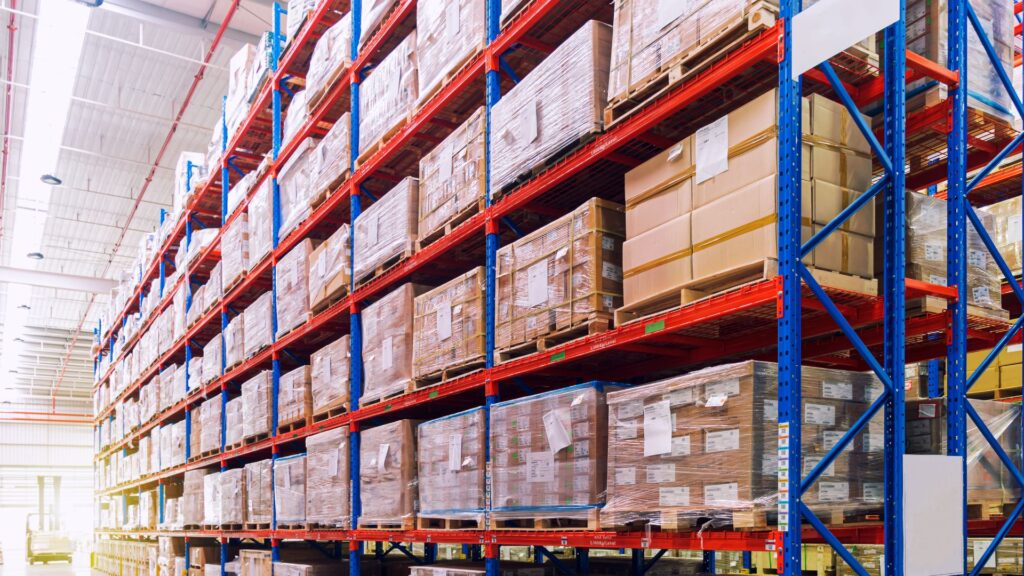

Industrial environments move a lot of material between floors and levels, often heavier, dirtier, and more frequent than a standard commercial setting. A dumbwaiter built for a restaurant kitchen or a hotel simply isn’t specified for that kind of use. Industrial dumbwaiters are built differently from the ground up, for continuous operation, heavier and more demanding loads, and conditions that would wear a standard unit down quickly.
What Makes an Industrial Dumbwaiter Different
The difference isn’t cosmetic. Industrial units are built around three things standard dumbwaiters aren’t designed for:
Duty cycle. A restaurant dumbwaiter might run a few dozen times a day. An industrial unit on a production floor can be running almost continuously across a shift, and the motor, drive system, and controls need to be specified for that level of use without excessive wear.
Load and robustness. Industrial settings move heavier, bulkier, and sometimes irregular loads: components, parts bins, tooling, raw materials. The car, guide rails, and drive system need the capacity and durability to handle this reliably, day after day.
Environment. Manufacturing and production floors can involve dust, debris, temperature extremes, or washdown requirements that a standard commercial unit isn’t built to withstand. Materials and finishes need to be chosen accordingly.
Where Industrial Dumbwaiters Are Used
- Manufacturing and production facilities, moving components, parts, or finished goods between production floors and storage or dispatch areas
- Distribution and processing environments, where materials need to move between levels as part of a wider workflow, not just storage
- Multi-level industrial buildings, where installing a full passenger-rated goods lift isn’t necessary, but manual carrying between floors isn’t practical or safe either
If your primary need is warehouse storage and logistics specifically, our warehouse dumbwaiters guide covers that use case in more depth. This guide focuses on the broader manufacturing and industrial-use side of things.
Specifying the Right Industrial Dumbwaiter
Getting the specification right matters more here than almost anywhere else, since undersizing a unit for continuous industrial use leads to premature wear and downtime, and oversizing adds cost without benefit. Key factors include:
- Duty cycle — how many movements per hour or per shift, and how continuous that use actually is
- Load type and weight — not just maximum load, but whether loads are consistent or highly variable, and whether they’re likely to be irregular or awkward shapes
- Environmental conditions — dust, temperature, moisture, or washdown requirements that affect material and component choice
- Integration with existing workflow — where the lift sits relative to production lines, storage, and dispatch points affects both the design and the practical value it adds
Safety and Compliance
Industrial dumbwaiters are subject to the same BS EN 81-3 design requirements and LOLER thorough examination obligations as any other workplace service lift, but the higher duty cycle and heavier use typical of industrial settings make regular inspection and maintenance even more important in practice. See our guide on LOLER inspections and compliance for what that involves.
Getting the Right Specification for Your Facility
Because duty cycle and load profile vary so much between industrial settings, the most reliable way to specify the right unit is a site assessment rather than working from general guidance. For a sense of what drives cost for a project like this, see our guide on what affects dumbwaiter lift cost.
Frequently Asked Questions
What’s the difference between an industrial dumbwaiter and a standard commercial one? Industrial units are built for higher duty cycles, heavier and more variable loads, and tougher environmental conditions such as dust or washdown requirements. A standard commercial dumbwaiter, built for a restaurant or hotel, isn’t specified for that level of continuous, heavy-duty use.
Can an industrial dumbwaiter handle continuous use across a full shift? Yes, when specified correctly. This is exactly the kind of duty cycle industrial units are built for, unlike standard dumbwaiters which are designed for more intermittent use.
Do industrial dumbwaiters need different compliance checks? They’re subject to the same BS EN 81-3 and LOLER requirements as other service lifts, but the heavier use typical of industrial settings makes regular inspection more important in practice, not just on paper.
What size and capacity do I need for a manufacturing facility? It depends on your specific loads, duty cycle, and workflow, which is why a site assessment gives a far more reliable answer than general guidance. Get in touch to arrange one.
Is an industrial dumbwaiter the same as a goods lift? No. An industrial dumbwaiter is a goods-only service lift built for continuous, heavy-duty industrial use, distinct from passenger-rated lifts and larger freight elevators. Which one suits your facility depends on load size, frequency, and what’s actually being moved.\