
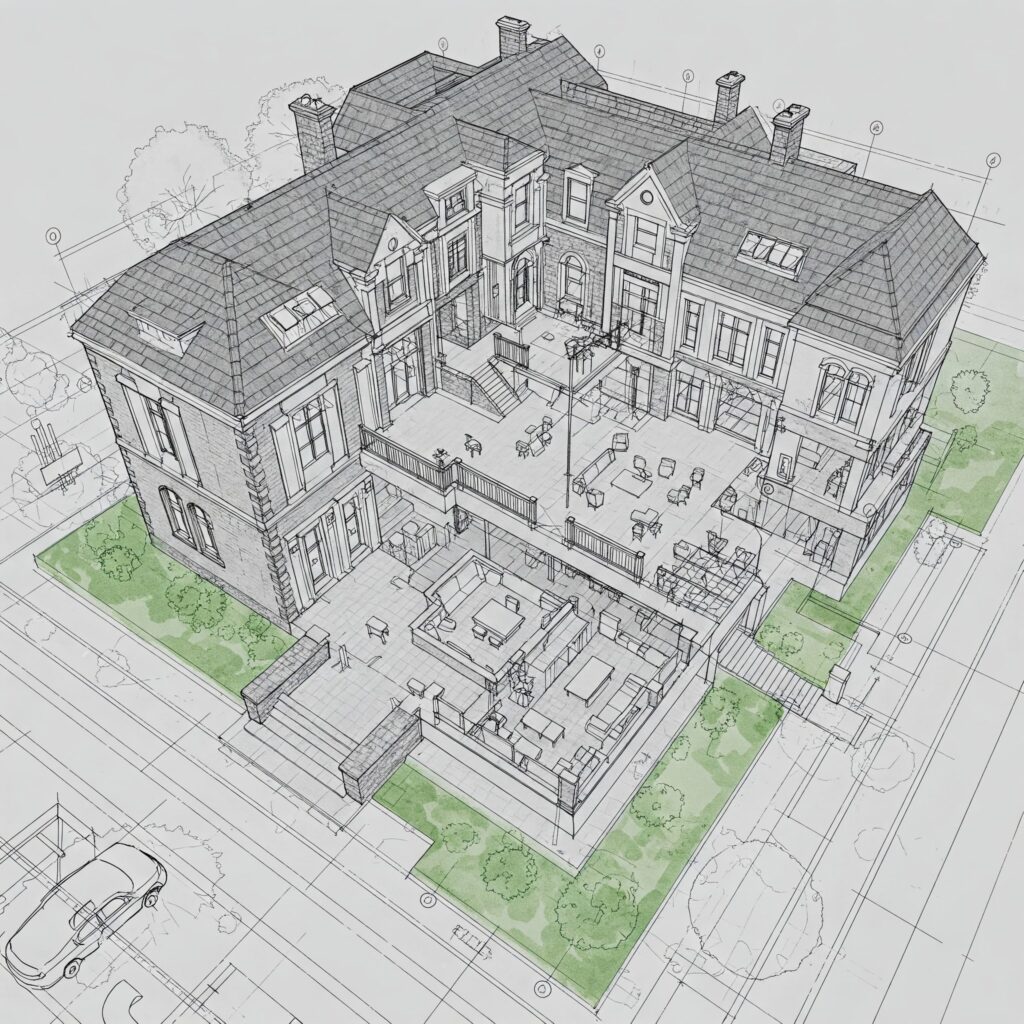

In luxury developments, every design decision must balance aesthetics, performance, and long-term value. Dumbwaiters are increasingly specified in high-end residential, hospitality, and commercial projects not simply for convenience, but for the discreet efficiency they bring to carefully considered spaces. When designed and integrated correctly, a dumbwaiter can enhance service flow without ever detracting from the visual intent of the architecture.
This guide is written for architects and designers working on premium projects who need to specify dumbwaiters that meet both technical and design expectations.
The Role of Dumbwaiters in Luxury Environments
In high-end homes, boutique hotels, private members’ clubs, and luxury retail spaces, dumbwaiters support seamless service behind the scenes. They allow items such as food, drinks, laundry, or stock to move between floors quietly and efficiently, reducing visible staff movement and preserving the calm, uncluttered feel expected in luxury settings.
Unlike standard commercial environments, these projects demand discretion. Noise levels, visual integration, and reliability all carry greater weight, making careful specification essential.
Considering Dumbwaiters Early in the Design Process
Early-stage planning is one of the most important factors in a successful dumbwaiter installation. Incorporating the lift at concept or technical design stage allows shaft space, pit depth, and headroom to be coordinated with the building structure rather than retrofitted later.
Architects who address these elements early avoid costly compromises and gain far greater flexibility in terms of placement and finish. Our related article, Dumbwaiters for Architects: What to Consider in a Project, explores these early considerations in more detail.
Choosing the Right Capacity and Usage Profile
Luxury projects often require tailored solutions rather than maximum capacity. A residential dumbwaiter may be designed for frequent but lighter use, while hospitality environments may require higher duty cycles to cope with service demands.
Specifying the correct capacity ensures smooth operation, avoids unnecessary strain on components, and helps maintain long-term reliability. Oversizing can waste valuable space, while undersizing can lead to premature wear.
Bespoke Systems Versus Standard Models
Off-the-shelf dumbwaiters rarely meet the expectations of luxury projects. Standard sizes, finishes, and performance profiles can restrict design freedom and result in visible compromises.
Bespoke systems allow architects to specify dimensions, loading configurations, finishes, and performance characteristics that align precisely with the project’s requirements. This level of flexibility is particularly valuable in high-end developments where structural constraints or interior detailing leave little room for adjustment.
Integrating Dumbwaiters into Interior Design
In luxury environments, the dumbwaiter should feel like a natural part of the space rather than an added utility. Doors can be concealed within joinery, wall panelling, or cabinetry, ensuring clean lines and visual continuity.
Materials and finishes can be selected to match surrounding surfaces, whether that is timber, stone, or contemporary metal finishes. With careful coordination, the lift becomes virtually invisible to guests and occupants.
Acoustic Performance and User Experience
Noise control is a critical consideration in premium settings. Modern dumbwaiters can be engineered with smooth motor operation, refined control systems, and vibration isolation to ensure quiet travel between floors.
This is especially important in open-plan homes, hotel suites, and dining areas where even minor disturbances can undermine the overall experience.
Safety, Compliance, and Longevity
All dumbwaiters must comply with BS EN 81-3 and LOLER requirements, regardless of how discreetly they are integrated. In luxury projects, the challenge is achieving compliance without compromising design intent.
Modern bespoke systems are designed to meet current standards while also allowing for future upgrades. This futureproofing helps protect the long-term value of the building and simplifies ongoing maintenance.
Installation, Access, and Maintenance Planning
Even the most carefully designed dumbwaiter requires ongoing servicing. Architects should consider access for maintenance during specification, ensuring engineers can reach key components without disrupting finished interiors.
Planning for servicing at design stage avoids the need for intrusive works later and supports long-term system reliability.
Avoiding Common Specification Pitfalls
Issues often arise when dumbwaiters are treated as a late-stage addition. Common problems include insufficient shaft space, inadequate access for maintenance, and underestimating acoustic requirements.
Early collaboration with a specialist helps prevent these issues and ensures the system supports the project rather than constraining it.
Working with a Specialist Partner
Successful luxury projects rely on close collaboration between architects, designers, and technical specialists. At Husbands, we support professionals through every stage of specification, from early advice and drawings to bespoke manufacture and installation.
Architects and designers can learn more about how we work with the design community on our dedicated architects and designers page.
Conclusion
Specifying a dumbwaiter in a luxury project requires careful consideration of design, performance, and long-term use. When approached thoughtfully, a bespoke system can enhance both functionality and aesthetics, supporting the high standards expected in premium environments.
By engaging with a specialist early and focusing on bespoke solutions, architects can ensure dumbwaiters add value rather than compromise design intent.