
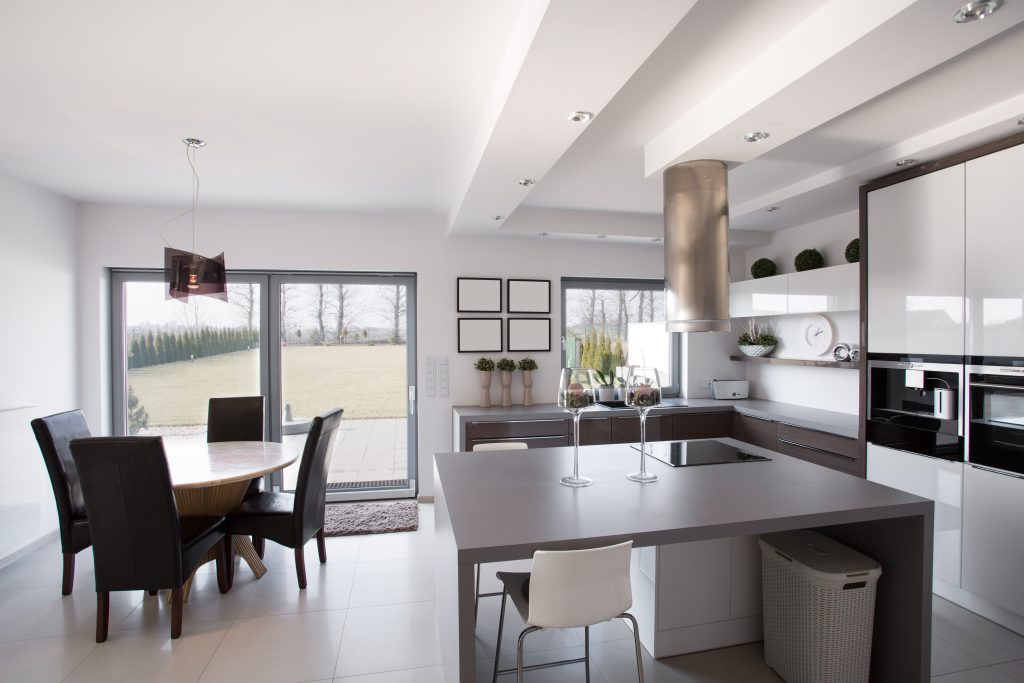

For decades, dumbwaiters were considered purely practical. Their job was simple: move items between floors quickly and safely. Today, however, bespoke dumbwaiters are stepping into the spotlight as more than just functional service tools. In luxury homes, boutique hotels, and high-end venues, they are becoming part of the design conversation, valued not only for efficiency but also for the way they enhance interiors.
At Husbands, we have seen first-hand how a well-specified dumbwaiter can be both a practical asset and a design feature. Here’s why more architects, designers, and homeowners are treating dumbwaiters as part of their aesthetic vision.
Blending Seamlessly with Interior Design
A bespoke dumbwaiter doesn’t need to look like a piece of industrial equipment. By tailoring finishes, doors, and control panels, the lift can be made to disappear into cabinetry, wall panelling, or custom joinery. For projects where a clean and cohesive look is essential, this level of integration allows the dumbwaiter to serve its purpose without compromising style.
For others, the lift itself becomes a feature. With polished metals, glass panels, or even statement lighting, a dumbwaiter can be designed to reflect the character of the building while still performing flawlessly.
Adding a Touch of Luxury
In the same way that a wine cellar or home cinema elevates a property, a bespoke dumbwaiter adds to the sense of luxury and sophistication. In private homes, it can discreetly deliver wine, laundry, or luggage between floors. In boutique hotels or members’ clubs, it enhances service by ensuring food and drinks arrive seamlessly, without disturbing guests.
These small touches are what make high-end spaces stand out. A dumbwaiter designed with care is not just convenient; it contributes to the overall guest or homeowner experience.
Designed Around the Way You Live or Work
Every property has different needs, which is why bespoke dumbwaiters are so powerful. In some cases, they are designed to serve a kitchen and a rooftop dining terrace. In others, they are configured to connect a basement wine cellar with a tasting room above. By working closely with architects and owners, we ensure each system is created around how the space will actually be used.
This approach means a dumbwaiter is not just installed, but considered — it becomes part of the way a property flows, supporting both daily routines and special moments.
The Future of Dumbwaiters in Design
As buildings become smarter and more tailored, service lifts are being seen less as back-of-house necessities and more as integrated design features. With smart controls, silent motors, and luxury finishes, a dumbwaiter can complement the most ambitious architectural projects.
For homeowners and designers, this opens new possibilities. A dumbwaiter is no longer hidden away; it is specified, styled, and celebrated as part of a premium property.
Learn more about our bespoke dumbwaiter solutions.
Practical Benefits That Go Beyond Style
While the visual and design elements are important, a dumbwaiter also enhances day-to-day practicality. Reducing manual handling, cutting down on noise and disruption, and improving overall building flow are advantages that complement its aesthetic value. In multi-level properties, these lifts become part of the building’s DNA, ensuring service runs smoothly while looking as though they were always meant to be there.
Conclusion: From Utility to Design Statement
Dumbwaiters will always provide convenience, but in today’s high-spec homes and venues, they are increasingly valued for the role they play in design. With bespoke finishes, seamless integration, and luxury detailing, they elevate both form and function.
If you are planning a project where every detail matters, speak to Husbands about how a bespoke dumbwaiter can become more than just a utility — it can be a design feature that defines your space.