
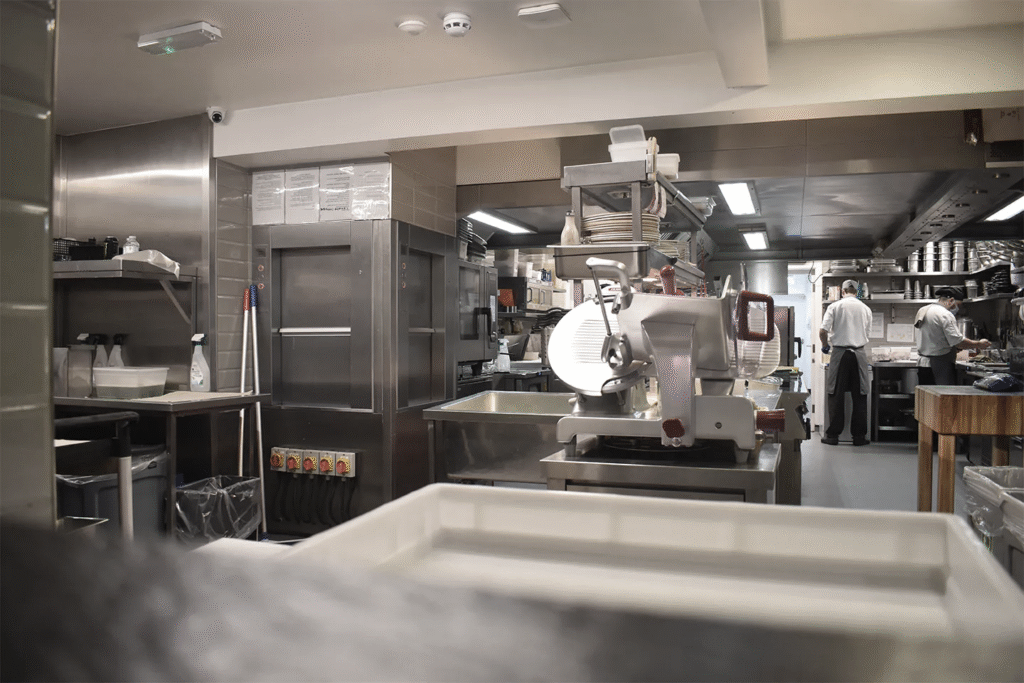

A dumbwaiter does one job: it moves items between floors so that people do not have to carry them. Every benefit comes from that, though which ones matter most depends on where it is installed. A restaurant kitchen, a care home, and a family house all get something different out of the same idea. This guide walks through the main benefits, with links to our deeper guides if you want the detail on any of them.
Saves Time and Effort
Every trip up and down stairs with a tray, a laundry basket, or a box is time not spent on something else. In a busy restaurant or hotel, those trips add up across every shift, and a dumbwaiter takes them out of the day. At home, it is smaller trips, but they add up too. See how this plays out in our guide to improving hospitality service efficiency.
Reduces Manual Handling Risk
Carrying loads between floors, particularly on stairs, is a real source of workplace injury. A dumbwaiter takes that task away from staff rather than just making it safer, which is the most effective way to deal with a manual handling risk. Our guide on how dumbwaiters improve safety in commercial environments covers this in detail.
Supports Hygiene
In kitchens, care settings, and anywhere food or linen is moved, fewer hands and fewer journeys through shared routes means fewer chances for cross-contamination. Some commercial kitchens use separate lifts for clean and dirty items to keep the two apart, which our guide on clean and dirty dumbwaiters explains.
Takes Up Less Space Than a Passenger Lift
A dumbwaiter is far more compact than a passenger lift, which is a real advantage where space is tight. It still needs a shaft, and the amount of structural work involved varies from building to building, so it is worth getting a proper site assessment early. Our guide to what affects dumbwaiter lift cost explains why.
Can Be Cost-Effective
A dumbwaiter is generally a smaller and simpler installation than a larger lift, and it can cut the time spent on manual carrying. Whether it pays back depends on how heavily it will be used, which is why a busy commercial setting often sees the clearest return. See our guide on the cost-effectiveness of dumbwaiters for more.
Makes Everyday Life Easier at Home
In a multi-storey home, a dumbwaiter moves laundry, shopping, trays, and bulky items between floors without anyone having to carry them up and down stairs. That is a convenience for anyone, and particularly helpful for people who find carrying loads on stairs difficult. Our guide to dumbwaiters in multi-storey homes looks at this in more detail.
Built to Suit the Space
Dumbwaiters can be built to a standard specification or made to measure, with sizes, configurations, and finishes chosen to suit the building. Where the lift needs to blend into an interior, a bespoke unit can be designed around it. Take a look at our bespoke dumbwaiters to see what is possible.
Durable and Reliable When Looked After
Commercial dumbwaiters are commonly built with hard-wearing materials such as stainless steel, which suits heavy use and keeps cleaning simple. Like any lifting equipment, though, reliability depends on proper care. That means regular servicing by a competent engineer and thorough examination under LOLER. Our guides to dumbwaiter servicing and maintenance and LOLER inspections explain what that involves.
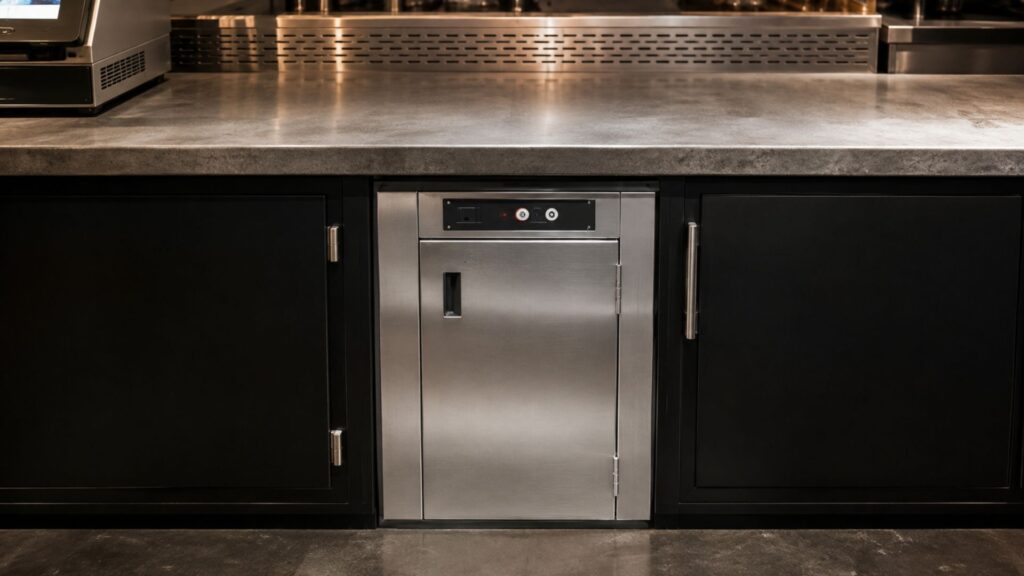
Who Benefits Most
- Restaurants, cafes, and bars moving food, crockery, and stock
- Hotels moving laundry, linen, and supplies
- Care homes and healthcare settings moving meals, supplies, and laundry
- Offices and institutions moving documents and supplies
- Private homes with more than one floor
Frequently Asked Questions
Can dumbwaiters be used at home as well as in businesses?
Yes. Dumbwaiters are used in multi-storey homes for laundry, shopping, and household items, as well as in restaurants, hotels, care homes, and offices.
Are dumbwaiters expensive to install?
It depends on the size, specification, and the structural work your building needs, so there is no single figure. Our guide on what affects dumbwaiter lift cost explains the factors.
Are dumbwaiters safe?
They are designed for moving goods and are safe when used as intended. They are not designed to carry people and must never be ridden. Regular servicing and thorough examination keep them in safe working order.
Do dumbwaiters need much space?
They need far less space than a passenger lift, but they do need a shaft. The exact requirements depend on the lift and your building.
How often does a dumbwaiter need servicing?
This is best agreed with your engineer, based on how heavily it is used. Servicing is separate from the thorough examination required under LOLER, and you need both. Get in touch if you would like to talk through what suits your lift.