

With over 11 million people aged 65 and older in England and Wales, and the number projected to rise significantly in the coming years, the need for accessible homes is more critical than ever. By 2043, the population aged 85 and over is expected to increase by over 60%, and with 86% of those aged 85+ living with at least one long-term health condition, creating homes that accommodate their needs is essential. Making homes accessible allows older adults to age in place, maintain their independence, and reduce the strain on healthcare and support services.
When it comes to mobility lift options, stairlifts and platform wheelchair lifts are among the most popular choices. Deciding between these options can significantly impact quality of life, independence, and ease of movement within one’s home.
Installing a lift is a vital step towards making a home more accessible to those with mobility impairments. Key to restoring independence, home accessibility lifts offer a means to navigate multi-level homes effortlessly. The choice between stairlifts and platform lifts depends heavily on the user’s mobility and the architectural constraints of the home.
Stairlifts, a common solution, are straightforward to install onto existing staircases and involve no structural changes to the home. They are particularly beneficial for individuals who can walk but have difficulty climbing stairs, allowing for comfortable movement up and down. Whether for straight or curved staircases, stairlift installation can range from just a few hours for straight units to longer durations for custom curved rails.
On the other hand, platform lift installation caters to wheelchair users, allowing them to travel while seated in their wheelchair. Platform lifts, akin to wheelchair lifts, are easier to install in existing homes without the need for extensive remodelling. They are also more cost-effective compared to traditional elevators. Considered ideal for individuals who cannot transfer out of their wheelchair independently, these lifts provide significant flexibility, although they do come with their own set of constraints, including space requirements and installation complexity.
Choosing between stairlifts and platform lifts should be guided by an assessment of mobility needs, house layout, and budget constraints. Both options can significantly enhance home accessibility, offering peace of mind and greater independence to those with mobility challenges.

Overview of Platform Lifts and Stairlifts
Understanding the distinctions between platform lifts and stairlifts can help in selecting the best accessibility solution for your needs. Both options cater to different mobility impairments and structural requirements, offering unique benefits and considerations.
What is a Platform Lift?
A platform lift consists of a platform that travels vertically, facilitating movement between floors. It is especially beneficial for wheelchair accessibility, allowing users to remain in their wheelchairs during transit. The lift capacity comparison varies with types; for example, an unenclosed platform lift is ideal for shorter distances, while an enclosed platform lift can span multiple floors but requires more extensive installation. Generally, an enclosed platform lift serves up to two or three floors, and travelling 12 metres may take 80 seconds or more.
What is a Stairlift?
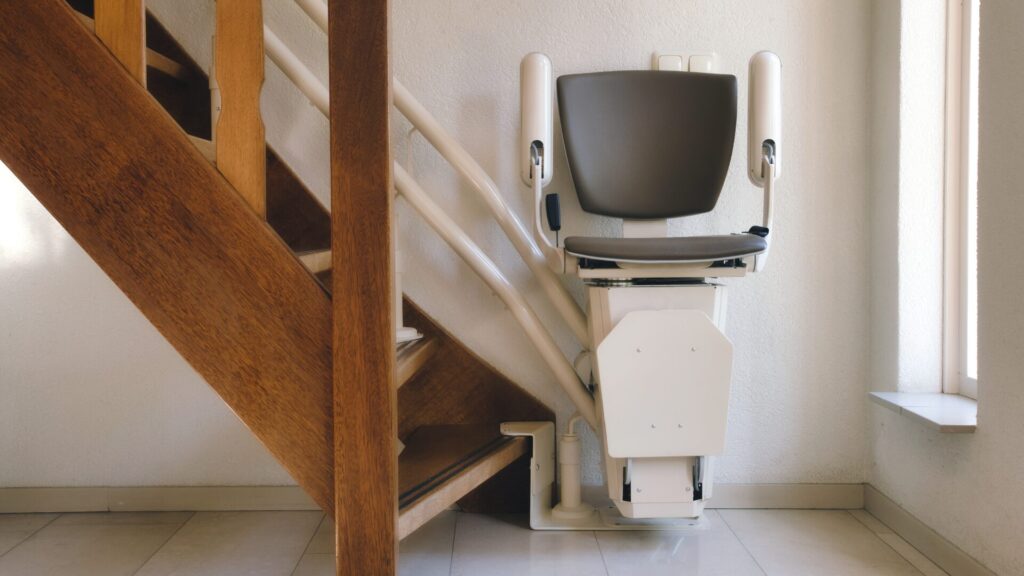
A stairlift is a mobility device comprising a seat that moves along a rail fixed to the side of a staircase. It is a convenient solution for individuals who find it challenging to use stairs but can transfer from a wheelchair to a seat. Stairlift advantages include their relatively low cost and simplicity of installation on both straight and curved staircases without the need for significant building work. This makes them a popular choice for maintaining indoor mobility, accommodating over 100,000 units in service across the UK.
Key Differences
The primary distinctions between platform lifts and stairlifts lie in their structural and installation requirements as well as their suitability for varying mobility impairments. Platform lifts offer comprehensive accessibility solutions by transporting wheelchairs and heavy cargo, making them ideal for people using wheelchairs or those with severe mobility challenges. However, they may not be suitable for very narrow staircases. Conversely, stairlifts are highly versatile and can be installed on a wide variety of staircases regardless of size or design, though they are limited to users who can safely transition to the stairlift’s seat.
Platform Lifts vs. Stairlifts: Benefits and Considerations
When considering accessibility in homes or buildings, it’s essential to understand the unique benefits and considerations of both platform lifts and stairlifts. Each option offers distinct advantages suited to varying user needs and home layouts.
Benefits of Stairlifts
Stairlifts are recognised for their quick installation processes, often requiring minimal structural modifications. Suitable for individuals who can walk but struggle with stairs, stairlifts can handle both straight and curved staircases. They are particularly beneficial for those capable of transferring from a wheelchair to the seat independently. Stairlifts are space-efficient, featuring folding seats and armrests, preserving the stairway for other users. Furthermore, they are generally more affordable than platform lifts and can function during power outages thanks to battery operation. Outdoor models are also available, addressing stairlift suitability for various environments.
Benefits of Platform Lifts
Platform lifts provide enhanced flexibility, addressing the needs of individuals who cannot transfer out of a wheelchair. These lifts, especially the vertical types, transport users efficiently between floors, suitable for both residential and public spaces. With their ability to handle heavier weights, commonly up to 300kg, platform lifts are versatile solutions. Enclosed and unenclosed designs allow for customisable lift features catering to diverse requirements. Despite higher installation costs due to necessary home modifications, platform lifts are seen as more cost-effective than elevators. Their durability makes them ideal for outdoor installations, ensuring accessibility between different levels of a property.
Considerations for Each Option
When selecting between a stairlift and a platform lift, several factors must be evaluated. Stairlifts are not suitable for users unable to perform standing transfers. Conversely, unenclosed platform lifts require strict adherence to safety guidelines to avoid risks. Both options contribute to compliant accessibility under The Equality Act (2010), yet platform lifts may entail more complex installations, impacting overall costs. It’s crucial to assess user mobility needs, anticipate future changes, and consider home constraints while balancing these aspects against available budgets to ensure the most effective, user-friendly mobility solutions with energy-efficient lifts.

Conclusion
Choosing the ideal residential lift option for your home can be a pivotal decision in fostering accessibility and independence. When weighing the benefits and considerations between platform lifts and stairlifts, several factors should be taken into account, including the user’s mobility level, the configuration of the home, and budget constraints.
Stairlifts are a cost-effective solution for those with mild mobility issues, particularly beneficial for straight staircases, and requiring minimal home modifications. They prove to be budget-friendly, cheaper to acquire and operate, and are easy to install. However, for those who rely on wheelchairs, stairlifts might not be practical, especially when it comes to accessing multiple floors.
In contrast, vertical platform lifts offer a higher degree of flexibility and wheelchair accessibility. They are suited for both indoor and outdoor use, accommodating individuals with disabilities and seniors. Despite their versatility and ease of operation, platform lifts involve a more significant financial investment and require careful planning to fit within the home. Yet, the benefits extend beyond personal mobility, potentially increasing the property’s value and enabling the transport of furniture across floors.
Moreover, home elevators present a more permanent, albeit costly, solution for multi-storey homes. While the initial expenditure and upkeep can be substantial, the advantages include enhanced property value and improved independence and quality of life for seniors. These elevators provide access across multiple levels, making them ideal for future-proofing homes for long-term accessibility.
Ultimately, ensuring that the chosen lift solution aligns with standing regulatory standards and fits seamlessly within the home environment is paramount. Stakeholders must also consider the long-term satisfaction and safety of users, facilitated by regular maintenance and comprehensive warranties. Making an informed decision about residential lift options will significantly enhance the quality of life for those with mobility challenges, fostering a safer, more accessible living space.