
Post: Dumbwaiter vs Goods Lift: What’s the Difference?

Let us help your business

Husbands can help you on all your Goods Lifts, Service Lifts and Dumbwaiter requirements.

service lift upgrade and modernisation

Dumbwaiter vs Goods Lift: What’s the Difference?

Dumbwaiters and goods lifts both move items between floors, and the sizes involved are where most of the confusion comes from. In practice, they sit at very different points on the scale, and picking the wrong one means either paying for far more capacity than you need or ending up with equipment that genuinely cannot handle your loads.

The Short Answer: Size and Scale

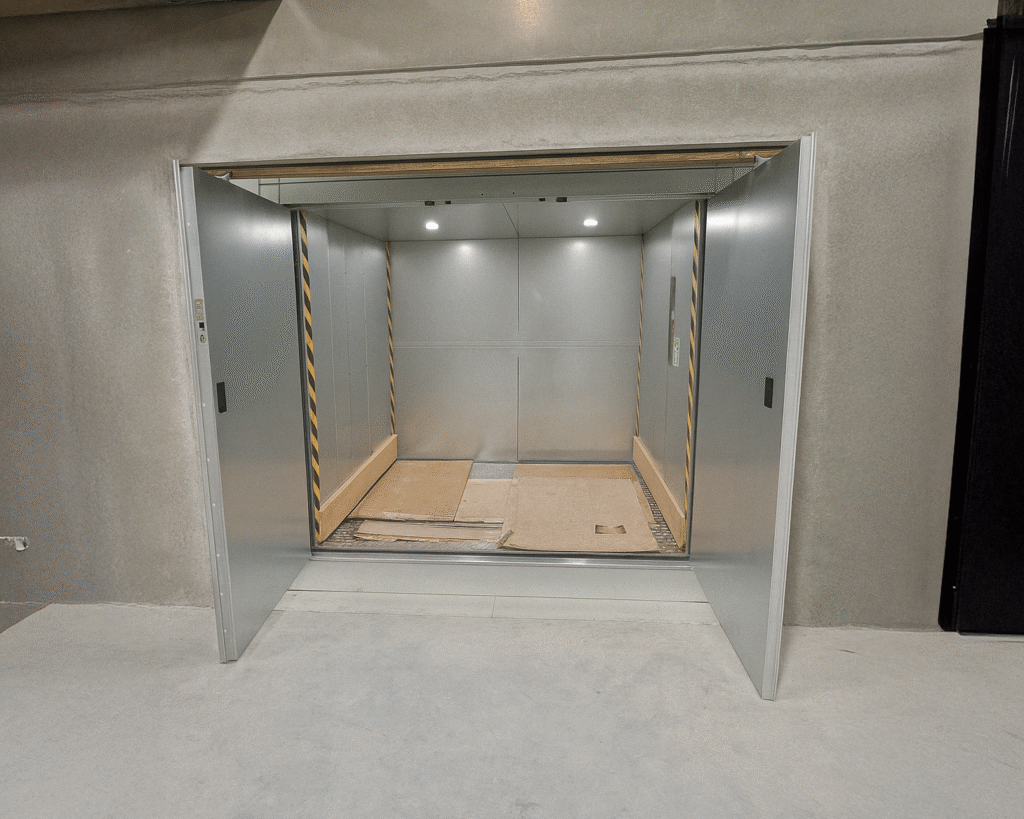
A dumbwaiter is a small, compact lift built for everyday items: food, drinks, documents, laundry, general stock. A goods lift is a much larger piece of equipment, built to move genuinely heavy or bulky loads, with rated capacities up to 2000kg. If a dumbwaiter is the right-sized tool for moving a tray of plates between a kitchen and a dining room, a goods lift is built for moving a loaded pallet or a piece of catering equipment between a loading bay and a commercial kitchen.

What a Dumbwaiter Handles

Dumbwaiters are typically specified for lighter, everyday loads: food and drink in restaurants and hotels, laundry and general items in homes, documents in offices, stock in shops and bars. They are compact by design, fitting into tight service areas without needing significant structural space.

What a Goods Lift Handles

Goods lifts are built for the other end of the scale. With capacities up to 2000kg, they suit retail, warehouses, hotels, restaurants, commercial kitchens, hospitals, factories, and distribution centres, anywhere genuinely heavy or bulky items need to move between floors reliably and at scale.

Goods-Only vs Goods/Passenger Lifts

One distinction worth being clear on: not every goods lift is goods-only. There are two configurations, goods-only lifts, which are certified purely for freight and never carry people, and goods/passenger combination lifts, which are certified to carry both people and goods, often used in settings like hotels and hospitals where staff need to move with a trolley or stock rather than sending it up separately. A dumbwaiter, by contrast, is always goods-only. Its scale and construction mean it is never certified to carry a person, regardless of configuration.

Space and Installation Requirements

The difference in scale carries straight through into what each one needs from the building. A dumbwaiter fits into a compact shaft and can often be retrofitted into an existing service area with relatively contained structural work. A goods lift needs a substantially larger shaft, stronger structural support to handle its higher rated load, and generally more significant construction work to install, closer in scope to a passenger lift installation than a dumbwaiter one. This is often the first thing that rules one option in or out before cost or capacity even come into it, since not every building has the space or structural capacity for a full-size goods lift.

Cost Differences

The two sit at very different price points, largely driven by the same factors as the space difference: a goods lift is a bigger piece of engineering, needs more structural work, and costs meaningfully more to install and maintain than a dumbwaiter. For a detailed look at what actually drives dumbwaiter pricing specifically, see our guide on what affects dumbwaiter lift cost.

Compliance for Both

Both dumbwaiters and goods lifts are subject to LOLER thorough examination requirements as lifting equipment, alongside routine servicing to keep them reliable. The specific configuration and inspection detail varies by equipment type and rated load, but the underlying legal obligation applies to both. See our guide on LOLER inspections and compliance for what that involves.

Why the Difference Actually Matters

Specifying the wrong one is a genuinely costly mistake in either direction. A goods lift is a bigger, more expensive installation than most everyday goods movement actually needs, and installing one where a dumbwaiter would do means paying for capacity, space, and structural work you will never use. Going the other way, trying to force genuinely heavy or bulky commercial loads through a dumbwaiter risks overloading equipment that was never built for that scale, which is both a safety issue and a reliability one.

Choosing the Right One for Your Building

The deciding factor is almost always what you are actually moving, not the building type. A busy restaurant might need a dumbwaiter for food service and, separately, a goods lift for stock deliveries. The two are not competing options for the same job, they cover different ends of the same broad need.

If you are unsure which fits your situation, our dumbwaiter sizing guide covers typical dumbwaiter capacities and configurations in more depth, and our commercial dumbwaiters page covers what is typically involved for restaurant, hotel, and healthcare installations.

Frequently Asked Questions

Can a dumbwaiter carry the same loads as a goods lift? No. Dumbwaiters are built for everyday items like food, documents, and general stock, while goods lifts handle much heavier and bulkier loads, up to 2000kg.

Is a goods lift just a bigger dumbwaiter? No. Goods lifts are built to a much different scale and specification from the outset, and unlike a dumbwaiter, some goods lifts are certified to carry passengers as well as freight, which a dumbwaiter never is.

Can either a dumbwaiter or a goods lift carry people? A dumbwaiter never carries people, it is always goods-only. A goods lift depends on its certification: goods-only versions never carry people, but goods/passenger combination lifts are certified to carry both.

How do I know which one my business needs? It comes down to what you are actually moving and how much it weighs. A restaurant moving plates needs a dumbwaiter. A distribution centre moving pallets needs a goods lift. Get in touch to talk through your specific requirements.

Do I need both a dumbwaiter and a goods lift? Some venues do, particularly hospitality businesses that need a dumbwaiter for food service and a separate goods lift for deliveries and heavier stock movement.


Leave a Reply

Your email address will not be published. Required fields are marked *

Recent Posts

Dumbwaiter vs Goods Lift: What’s the Difference?

Dumbwaiters and goods lifts both move items between floors, and…

How to Use a Dumbwaiter Safely

Dumbwaiters are a staple in both residential and commercial establishments.…

How Dumbwaiters Improve Safety in Commercial Environments

In the realm of commercial operations, prioritising health and safety…

Under-Bar Dumbwaiters: Compact Lifts for Bars and Pubs

Not every bar needs a full-size dumbwaiter running food and…

Industrial Dumbwaiters: Heavy-Duty Lifts for Manufacturing and Production

Industrial environments move a lot of material between floors and…

Dumbwaiter Installation Process

Are you considering installing a dumbwaiter in your residential or…

A Guide to Dumbwaiter Cleaning

In this guide, we will delve deeper into the importance…

Different Types of Dumbwaiter Lifts

The role of dumb waiter lifts in modern architectural design…

What Affects the Cost of a Dumbwaiter Lift? (Key Price Factors)

If you’ve searched for dumbwaiter cost or dumbwaiter lift prices,…

Service Lift Size Guide: Trolley Lifts & Goods Lifts (UK)

Choosing the right service lift comes down to two questions:…

Do Dumbwaiters Need LOLER Inspections? Your UK Safety & Compliance Guide

A regular dumbwaiter safety inspection is not just crucial for…

What Impacts Dumbwaiter Lifespan? A Technical Breakdown

How long should a dumbwaiter last? It is a common question…

Private Residences with Service Zones: Why Bespoke Dumbwaiters Are Becoming Standard

Luxury residential design has evolved well beyond impressive kitchens, statement…

Service Lift Lifespan: What Affects Performance Over Time?

Dumbwaiters are long-term assets. When designed and specified correctly, they…

Common Mistakes When Specifying Service Lifts in Commercial Projects

In many commercial projects, service lifts are not always given…

How to Specify a Dumbwaiter or Service Lift in a Multi-Unit Residential Development

Multi-unit residential developments present a different set of challenges compared…

Dumbwaiters in Heritage Renovations: Protecting Character While Improving Function

Renovating a heritage property presents a unique balance of responsibility…

Concealed Dumbwaiters: Integrating Lifts into Joinery and Cabinetry

In high-end residential and hospitality projects, functionality must never interrupt…

Designing Quiet Dumbwaiters for Noise-Sensitive Environments

In many modern buildings, noise control is just as important…

How Bespoke Dumbwaiters Solve Awkward Floorplans

Not every building is designed around clean lines and generous…

Architect’s Guide to Specifying Dumbwaiters in Luxury Projects

In luxury developments, every design decision must balance aesthetics, performance,…

Why Service Lifts Are Essential in Boutique Hotels and Restaurants

Boutique hotels and independent restaurants rely on exceptional service, seamless…

The Engineering Behind a Successful Dumbwaiter Modernisation

Modernising an older dumbwaiter is one of the most effective…

How Control System Upgrades Transform Older Service Lifts

The control system is the heart of any service lift.…

Integrating Dumbwaiters into Modern Open-Plan Kitchens

Open-plan kitchens continue to dominate modern home and commercial design.…

Sustainable Engineering: How Service Lifts Fit into Green Building Design

Sustainability is now a central consideration in modern architecture and…

Common Refurbishment Upgrades That Transform Older Service Lifts

Over time, even the most reliable dumbwaiters and service lifts…

Why Care Homes Benefit from Bespoke Service Lifts

In care homes, efficient day-to-day routines directly affect resident wellbeing.…

How to Choose the Right Capacity and Configuration for a Service Lift

Selecting the right service lift for your building is about…

How Husbands Supports Legacy Dumbwaiter Systems with Hard-to-Find Parts

Across the UK, many restaurants, hotels, and heritage properties still…

Beyond Convenience: Why Dumbwaiters Are Becoming a Design Feature

For decades, dumbwaiters were considered purely practical. Their job was…

Refurbishment vs Replacement: Which Is Right for Your Dumbwaiter?

Like any piece of equipment, dumbwaiters have a working life.…

Choosing the Right Dumbwaiter Size — UK Expert Guide

Choosing the right dumbwaiter size is about more than just…

How Dumbwaiters Support Zero-Contact Service in Healthcare

In healthcare settings, safety and hygiene are paramount. The movement…

Specifying a Dumbwaiter for Wine Cellars and Tasting Rooms

For homes and venues with dedicated wine cellars or tasting…

How Dumbwaiters Enhance Guest Experience in High-End Holiday Homes

In the world of luxury hospitality, guest experience is everything.…

Customising a Dumbwaiter for Secure Document Transport

In environments where confidentiality and precision are paramount, the way…

Choosing the Right Dumbwaiter for a High-Use Workplace

In fast-paced workplaces, efficiency isn’t just an advantage – it’s…

Emergency Dumbwaiter Repairs: What You Need to Know

A dumbwaiter breakdown can bring everything to a halt. Whether…

How Our Bespoke Dumbwaiters Compare to Off-the-Shelf Models

When considering a dumbwaiter for your property, it’s tempting to…

Why Bespoke Dumbwaiters Are the Future of Luxury Interiors

In the world of luxury interiors, true elegance lies not…

How Commercial Kitchens Benefit from a Well-Placed Dumbwaiter

Dumbwaiters: The Unsung Hero of Commercial Kitchens In a busy…

Upgrading an Old Dumbwaiter: When Is It Worth It?

Over time, even the most reliable equipment can start showing…

Dumbwaiter Installation Process Explained: What to Expect

Installing a dumbwaiter can be a great way to improve…

Dumbwaiters for Spas & Wellness Centres: A Hidden Asset

Spas and wellness centres are all about providing a peaceful,…

Signs Your Dumbwaiter Needs a Repair

Sometimes the signs that your dumbwaiter needs a repair are…

How Dumbwaiters Improve Service in Boutique Restaurants & Cafés

Dumbwaiters boost efficiency in boutique restaurants and cafés by quickly…

The Role of Dumbwaiters in Event Venues & Stadiums

From transporting equipment and supplies to ensuring seamless catering operations,…

How Smart Tech Is Changing Dumbwaiter Design

Smart technology is revolutionising dumbwaiters, making them more efficient, secure,…

Dumbwaiters in Private Clinics: A Practical Solution

Let’s explore why private clinics are embracing dumbwaiters as a…

Dumbwaiters for Exclusive Venues: Private Clubs & Luxury Retail

From private clubs to luxury boutiques, a well-designed dumbwaiter ensures…

Dumbwaiters for Architects: What to Consider in a Project

Dumbwaiters for architects: Key considerations for shaft design, compliance, fire…

Microlift vs. Bespoke Dumbwaiters: Which is Better for Your Project?

Microlift vs. Bespoke Dumbwaiters: Discover which lift offers the best…

How Dumbwaiters Modernise Michelin-Starred Kitchens in London

Learn how dumbwaiters transform high-pressure kitchens in London’s finest restaurants.…

Standard Dumbwaiters vs. Bespoke Dumbwaiters: What’s the Difference?

Standard or bespoke dumbwaiters? Discover the key differences, benefits, and…

Dumbwaiters in Multi-Story Residential Homes: Improving Daily Living

Discover the benefits of dumbwaiters for residential homes. Save time,…

Retrofitting Dumbwaiters in Historical Buildings: Challenges and Solutions

Retrofitting dumbwaiters into historical buildings can be a transformative way…

Reducing Workplace Injuries with Trolley Lifts: Best Practices for Safety

Trolley lifts: the key to safer workplaces. Explore their benefits…

Understanding Maintenance Regulations for Platform Lifts in Public Spaces

Platform lifts play a vital role in ensuring accessibility for…

The Role of Platform Lifts in Residential Buildings: Enhancing Home Accessibility

Platform lifts, also known as residential platform lifts, are a…

Dumbwaiter FAQs: Everything You Need to Know Before Buying

Dumbwaiters have become increasingly popular in both residential and commercial…

Dumbwaiters in Schools for Multi-Level Efficiency

Why do schools, bustling with activities and materials, still rely…

Dumbwaiter Installation in Restaurants: A Complete Guide

In this guide, we’ll explore the numerous benefits and essential…

Dumbwaiters for Luxury Homes: Style and Convenience

Can enhancing the functionality of a luxury home be as…

Trolley Lifts for Healthcare: Enhancing Safety and Efficiency in Hospitals

Trolley lifts can be customised to fit the unique specifications…

How Dumbwaiters Can Improve Hospitality Service Efficiency

Dumbwaiters not only enhance operational efficiency but also significantly reduce…

Maximising Space Efficiency with Trolley Lifts in Retail Stores

By incorporating innovative design and functional versatility, these lifts ensure…

Dumbwaiter Safety Standards: Ensuring Compliance in Commercial Spaces

Comprehensive dumbwaiter installation regulations are paramount in high-demand environments, such…

Platform Lifts in Education: Making Schools and Universities Accessible

Did you know that all educational buildings are legally required…

Platform Lift Maintenance: What You Can Do and When to Call a Pro

Regular platform lift maintenance is crucial and adhering to the…

The Role of Dumbwaiters in Sustainable Building Design

In modern sustainable architecture across the UK, the dumbwaiter lift…

The Mechanics Behind Trolley Lifts: Understanding Their Functionality

Trolley lifts are becoming invaluable tools across various industries due…

Platform Lifts in the Workplace: Enhancing Productivity and Accessibility

Platform lifts are pivotal elements in modern workplaces, enhancing the…

Maintenance Schedules: Keeping Your Dumbwaiter Running Smoothly Year-Round

By following these best practices and engaging professional lift companies…

Top Industries Benefiting from Trolley Lifts: Beyond Warehousing

Not just confined to warehousing, the versatility of these trolley…

Top Considerations When Choosing a Dumbwaiter for Your Business

Each type of dumbwaiter caters to distinct operational demands, from…

The Role of Platform Lifts When Designing Inclusive Public Spaces

Inclusive design in public spaces goes beyond just following rules;…

Understanding the Cost of Platform Lifts: Investment and ROI

In the United Kingdom, an estimated one in twenty people…

DIY Dumbwaiter Maintenance: What You Can Do and When to Call a Professional

Dumbwaiters provide a means of streamlining tasks for both domestic…

The Cost-Effectiveness of Dumbwaiters: Saving Time and Money

By reducing the need for extra staff and minimising physical…

Platform Lift Maintenance: Tips for Ensuring Longevity and Safety

Platform lifts are essential components of modern buildings, providing accessibility…

Creative Uses for Trolley Lifts in Contemporary Architecture and Design

No longer restricted to mere goods transportation, these innovative pieces…

How Platform Lifts Can Enhance Accessibility in Sports and Recreation Facilities

By integrating features such as ramps, platform lifts, and accessible…

Top Mistakes to Avoid in Dumbwaiter Maintenance and How to Fix Them

Ensuring the reliability and efficiency of your dumbwaiter involves diligent…

Dumbwaiters for Multi-Level Offices: Enhancing Workplace Efficiency

Dumbwaiters function as indispensable vertical conveyance solutions in multi-level office…

The Benefits of Commercial Floor-Loading Dumbwaiters

Commercial floor-loading dumbwaiters are essential tools for restaurants, bars, and…

Upgrade Your Space with Dumbwaiter Modernisation

By upgrading your dumbwaiter, you can experience a range of…

Hospital Dumbwaiters: How They Transform Patient Care Behind the Scenes

These specialised healthcare service lifts might operate out of sight,…

Dumbwaiter and Goods Lift Drawings for Integrating into Architectural Projects

The uptick in dumbwaiter installations is marking a notable trend,…

The Best Dumbwaiter Finance Options Explained

Are you considering installing a dumbwaiter in your building but…

Clean and Dirty Dumbwaiters: How They Can Improve Food Hygiene Practices in Restaurants

In the bustling environment of commercial kitchens, maintaining stringent food…

11 Different Dumbwaiter Use Cases

From manufacturing facilities to warehouses, restaurants to hospitals, libraries to…

Marine Dumbwaiters: How They Enhance Ship Efficiency

These lifts are installed on boats, yachts, and particularly within…

How Bank Lifts and Bullion Lifts Facilitate Secure Money Transportation

Not just any traditional elevator, bullion lifts, often known as…

Talk to an Live Expert (Replies typically Instant)