
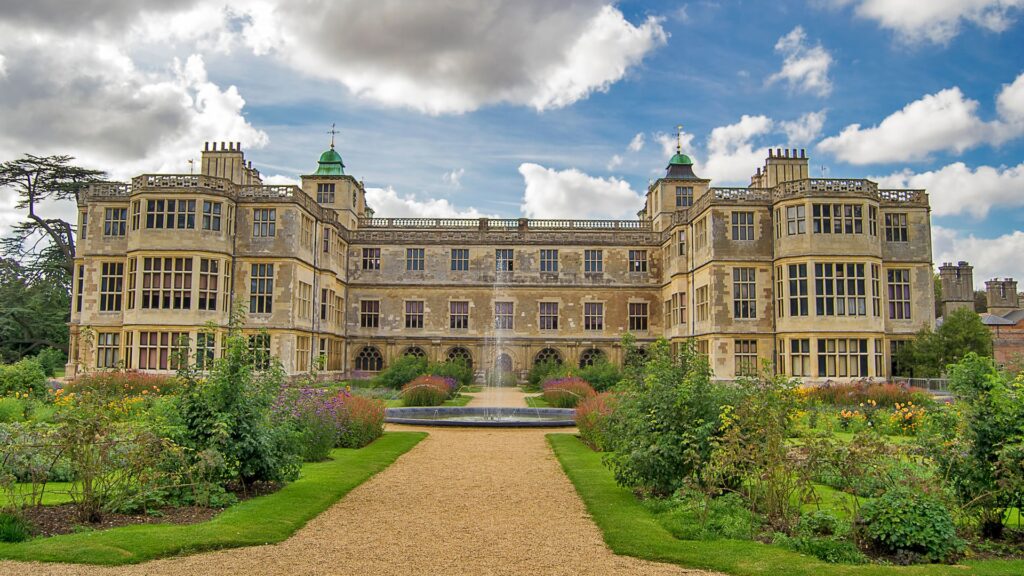

Retrofitting dumbwaiters into historical buildings can be a transformative way to combine modern functionality with the charm of heritage architecture. In this blog, we’ll explore the challenges of retrofitting dumbwaiters in historical properties and the innovative solutions that make it possible.
Understanding Dumbwaiters in Historical and Modern Contexts
Historical Use of Dumbwaiters
Dumbwaiters have a long history, traditionally used in large homes, restaurants, and hotels to transport items like food, laundry, or supplies between floors. They were valued for their convenience and the discreet service they provided, allowing tasks to be carried out without disrupting the flow of daily life. Many historical buildings still have remnants of these early systems, although they may be non-functional or outdated.
Modern Dumbwaiter Systems
Today, dumbwaiters are more compact, efficient, and versatile. With advanced technologies like cable-driven or pneumatic systems, they are designed to fit into smaller spaces with minimal structural adjustments. These modern lifts include safety features such as fire-rated doors and overload sensors, making them compliant with current safety standards.
Challenges of Retrofitting Dumbwaiters in Historical Buildings
Historical buildings often pose unique structural challenges that must be carefully addressed during retrofitting projects. Narrow walls, irregular layouts, and fragile materials can make it difficult to incorporate modern systems. For example, older buildings may lack the space required for traditional lift shafts, necessitating creative solutions like compact or modular dumbwaiter systems. These adaptations ensure functionality without compromising the building’s structural integrity.
Heritage-listed properties are subject to strict regulations designed to protect their historical integrity. Retrofitting a dumbwaiter in such properties requires meticulous planning to align with these regulations while ensuring the system is both functional and safe. Navigating these restrictions can be a lengthy process, often requiring approval from heritage authorities, but it is essential to preserving the building’s historical value.
Maintaining the aesthetic and design integrity of a historical building is equally important. The addition of a dumbwaiter must blend seamlessly with the existing architecture, using finishes, materials, and designs that complement the original style. This careful integration ensures that the modern installation enhances the property without detracting from its historical character.

Solutions for Retrofitting Dumbwaiters
Tailoring dumbwaiters to the specific needs and constraints of a historical building is often the most effective solution. Custom-designed systems can accommodate unique layouts and work around space limitations, ensuring a seamless integration without requiring extensive structural alterations. This approach helps preserve the building’s character while introducing modern functionality.
Modern dumbwaiters are engineered to minimise structural impact, making them well-suited for retrofitting into heritage properties. Compact options, such as pneumatic or low-profile dumbwaiters, require smaller shafts and eliminate the need for large machine rooms. These minimal-invasive systems are ideal for space-constrained properties, offering practical solutions with minimal disruption to the original architecture.
Collaborating with architects, engineers, and heritage specialists is essential for maintaining the historical value of a building during the retrofitting process. These professionals bring expertise in navigating regulations, proposing innovative solutions, and ensuring the dumbwaiter is both functional and visually harmonious with the property. Their involvement ensures that the project is executed responsibly and aligns with preservation goals.
Benefits of Retrofitting Dumbwaiters
Retrofitting a dumbwaiter offers numerous advantages for historical buildings:
- Improved Functionality: Modern dumbwaiters make it easier to transport items like catering supplies, laundry, or documents between floors, enhancing the practicality of the space.
- Enhanced Property Value: A well-integrated dumbwaiter adds appeal and usability, increasing the property’s overall market value.
- Respect for History: By combining functionality with aesthetic sensitivity, dumbwaiters bring modern convenience without compromising the building’s heritage.
Best Practices for Successful Retrofitting
To ensure a successful retrofit, follow these best practices:
- Conduct Feasibility Studies: Assess the building’s layout, structural limitations, and potential challenges before starting the project.
- Comply with Regulations: Work closely with heritage authorities to ensure all modifications meet legal and conservation requirements.
- Choose Appropriate Materials: Select finishes and materials that match the building’s original design to maintain visual harmony.
- Prioritise Safety: Incorporate modern safety features, such as fire-rated doors and emergency stop mechanisms, to meet current standards.
Conclusion
Retrofitting dumbwaiters in historical buildings is a delicate balance of preserving the past while embracing modern functionality. By addressing challenges like structural constraints and regulatory requirements with innovative solutions, it’s possible to enhance these properties for today’s needs. Whether for practical use or as part of a broader restoration effort, dumbwaiters can play a vital role in breathing new life into historical spaces while honouring their heritage.