
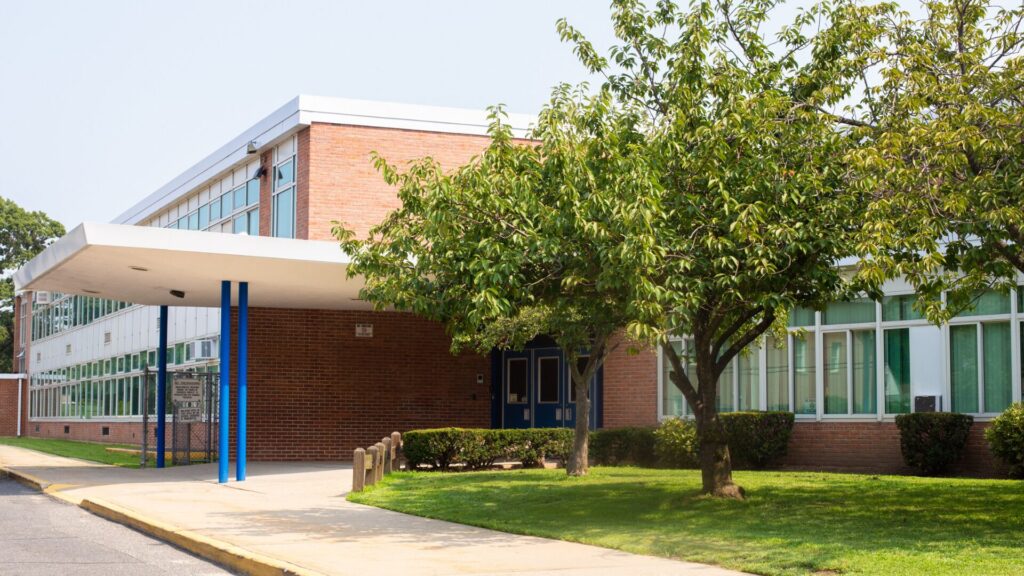

Why do schools, bustling with activities and materials, still rely on manual labour to move items between floors?
Originally conceived around 200 BC and evolving significantly by the 18th century, dumbwaiters have become indispensable tools in various settings. These commercial dumbwaiters, also known as service lifts, were once limited to residential use, facilitating tasks like moving laundry and groceries. However, their scope now spans diverse environments, including schools, where they serve crucial functions.
In educational institutions, electric dumbwaiters streamline operations by transporting educational materials, cafeteria food, and sports equipment between floors. Beyond merely saving time, these systems enhance safety, reduce physical strain on staff, and maintain organisation. Their compact design and space-saving utility make them especially beneficial in schools, where efficient use of space is imperative.
As dumbwaiters have adapted to meet modern needs, their importance in enhancing operational efficiency and convenience has only grown. The seamless movement they provide not only supports daily school functions but also contributes to a safer and more organised learning environment.
Introduction to Dumbwaiters in Schools
Dumbwaiters in schools are small freight elevators specifically designed to transport goods between different floors. Unlike traditional elevators intended for passengers, these service lifts optimise the handling of educational materials, equipment, and food services efficiently. With capacities ranging from 50 to 150kg, kitchen dumbwaiters offer a versatile solution for various school requirements.
Historically, dumbwaiters have been integral in managing logistics within multi-level structures. George W. Cannon’s mechanical dumbwaiter patent of 1887 laid the foundation for modern designs, now widely used in homes, restaurants, and educational settings. Today, bespoke dumbwaiters in schools are customised to fit specific needs, ensuring seamless integration and boosting operational efficiency.
Dumbwaiter installation in educational institutions not only enhances infrastructure but also supports a clean and organised environment. Schools benefit from these installations by improving the swift and safe movement of goods, invaluable for maintaining a dynamic educational atmosphere.
The Practical Benefits of Dumbwaiters in Multi-Level Buildings
In multi-level buildings like schools, the integration of commercial dumbwaiters brings significant practical benefits. These innovative devices support educational institutions by streamlining operations, improving safety, and ensuring a cleaner and more organised environment.
Enhancing School Efficiency
Commercial dumbwaiters enhance school efficiency by facilitating the swift transport of materials between floors. This is crucial in educational settings where time management is paramount. By employing a compact dumbwaiter, schools can efficiently move supplies, equipment, and documents without disrupting the academic flow. Consequently, staff and students spend less time navigating staircases, thereby maximising instructional and administrative time.
Improving Safety and Reducing Physical Strain
Installing dumbwaiters in schools significantly improves safety by reducing the necessity for individuals to carry heavy objects up and down stairs. This minimises the risk of injuries related to lifting and transporting bulky items. Modern dumbwaiters, having advanced from their ancient Roman origins, are now fully electric and require no manual operation. This technological evolution ensures that schools can transport items safely and efficiently, thereby fostering a safer learning environment.
Maintaining Cleanliness and Organisation
Moreover, dumbwaiters help maintain cleanliness and organisation within schools. They enable the transport of potentially messy items, such as food and dirty dishes, directly to their intended destinations, away from the educational areas. By incorporating dumbwaiter installation, schools can ensure that their premises remain tidy and well-ordered, contributing to an optimal learning atmosphere.

Key Features and Customisation Options for Dumbwaiters
Schools often require complex logistical solutions to manage the transportation of materials across multiple floors efficiently and safely. Focusing on the types of dumbwaiters available, customisation possibilities, and essential safety compliance is key to ensuring an optimal solution.
Types of Dumbwaiters Suitable for Schools
The range of available dumbwaiters includes electric dumbwaiters, hydraulic systems, and residential dumbwaiters. Electric dumbwaiters are the most popular choice in schools due to their speed and efficiency, making them ideal for quickly moving books, meals, and other supplies. Hydraulic dumbwaiters, while slightly slower, are favoured for their capability to handle heavier loads with smooth and quiet operation. Specific use cases, such as transferring documents, may also benefit from bespoke dumbwaiters designed for secure and efficient transport.
Customisation and Space-Saving Designs
Each school building is unique, often requiring bespoke dumbwaiters to fit within their architectural and functional constraints. Customisation options include the choice of durable materials like stainless steel, which ensures hygiene and ease of maintenance. Dumbwaiter designs can also be tailored to save space; floor height models are perfect for multi-level transport, while counter height designs facilitate efficient transfer across kitchen or library counters with minimal disruption. Additionally, schools can choose from various control systems and loading capacities to suit their specific needs.
Safety Features and Compliance
Ensuring the implementation of robust dumbwaiter safety features is paramount in a school setting. Modern dumbwaiters come equipped with essential safety mechanisms such as interlocks, automatic brakes, and overload sensors. These features contribute significantly to the safety of staff and students, preventing accidents during operation. Compliance with local and national safety standards is a critical aspect that guarantees the installation of these systems is as safe and reliable as possible. By prioritising these aspects, schools can support a secure environment while benefiting from the operational efficiencies offered by dumbwaiters.
Conclusion
In summary, commercial dumbwaiters have revolutionised the efficiency of educational facilities, particularly in multi-level school buildings. The integration of these systems ensures that the transport of goods between floors is seamless and safe, significantly reducing physical strain on staff. Customisable options and state-of-the-art safety features make dumbwaiter installation an ideal modernisation step for schools striving to enhance their operational processes. Moreover, as schools continue to expand, compact dumbwaiters offer a pragmatic solution to space constraints while maintaining high standards of cleanliness and organisation.
Utilising dumbwaiters in schools is not merely a move towards technological adoption but a step forward in ensuring the well-being and productivity of both students and faculty. The focus on customisation and space-saving designs reflects a thoughtful approach to educational infrastructure, accommodating various building architectures with ease. With safety compliance and user-friendly features as standard, these systems offer peace of mind alongside practical benefits.
As educational institutions strive to modernise their operations, the installation of commercial dumbwaiters should be seen as a valuable investment. Whether for efficiently transporting educational materials, food supplies, or maintenance equipment between floors, compact dumbwaiters enhance every aspect of school operations. The future of educational facilities lies in embracing such innovations that align safety, efficiency, and convenience, ensuring an optimised learning environment for all.