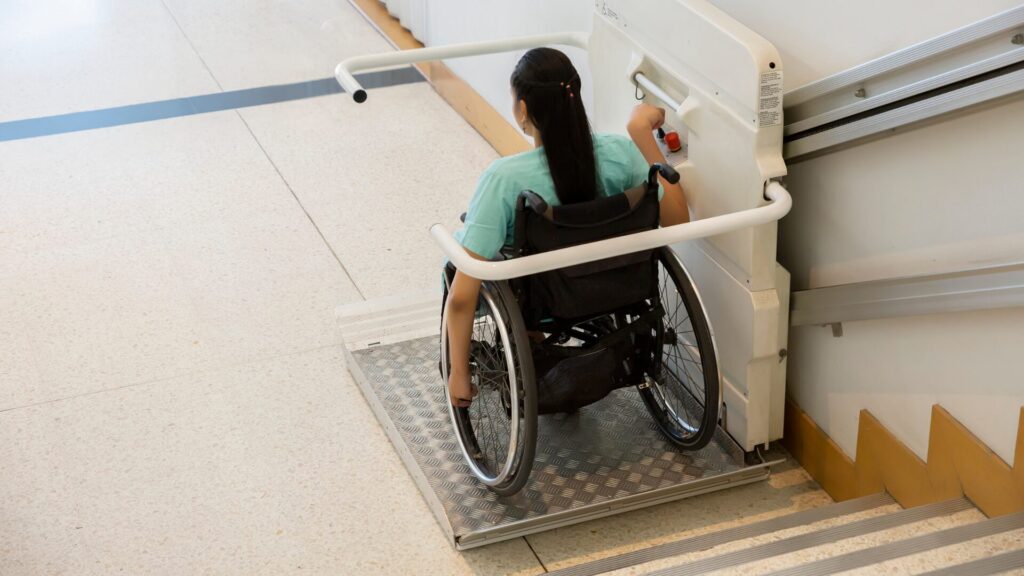

Platform lifts are essential components of modern buildings, providing accessibility and convenience for all users. However, the significance of routine platform lift maintenance is often underestimated. Regular care is vital not only for enhancing the longevity of the lift but also for ensuring the utmost safety of its passengers. Building owners should be mindful of maintenance obligations outlined in legislation such as PUWER (Provision and Use of Work Equipment Regulations) and LOLER (Lifting Operations and Lifting Equipment Regulations).
Regular checks incorporate safety assessments, cleaning, and component adjustments, meticulously documented by certified engineers during service visits. It is also critically important for platform lifts to have a reliable communication system for emergencies, as mandated by law. The type of service contract you choose will influence cost coverage for any necessary repairs or breakdowns.
Why Regular Platform Lift Maintenance is Essential
Regular maintenance of platform lifts, whether they are electric platform lifts, hydraulic platform lifts, or commercial platform lifts, is crucial for ensuring reliable operation and safety. Just as one wouldn’t neglect servicing a car, overlooking the upkeep of a platform lift can lead to breakdowns, costly repairs, and potential safety hazards. Consistent maintenance encompasses both longevity and safety, thereby preventing accidents and malfunctions.
Dust and debris can be significant culprits affecting the operation of a platform lift. Without regular cleaning and inspection, these elements can hinder performance and elevate risks. Performing routine checks helps to keep the lift in optimal condition, ensuring user safety and smooth, uninterrupted operation.
Adhering to basic maintenance protocols, such as functionality checks, lubrication of moving parts, and adherence to safety measures, is essential. It’s also recommended to schedule professional servicing annually for in-depth inspections. Staying informed about basic operations, familiarising oneself with emergency procedures, and adhering to weight capacity guidelines are all integral for the well-being of lift users.

Daily and Monthly Maintenance Tips
Ensuring the longevity and safety of your platform lift elevator is a task best approached through a regimen of daily and monthly maintenance. Proactive checks can preempt potential issues and keep the lift running smoothly and safely.
Daily Inspections
Daily lift checks are critical to ensure platform lift safety. Begin by verifying that the lift is clean and level. It should be free from any unusual sounds that might indicate mechanical issues. Always test key controls and buttons to confirm they are responsive and functional. Daily considerations also include appropriate load distribution and preventing overloading to maintain the vertical platform lift’s mechanical integrity.
Monthly Checks
Monthly maintenance requires a more detailed examination of the platform lift elevator. Key tasks include inspecting moving parts for wear and tear and ensuring they are properly lubricated. Focus on checking the rails, rollers, and other mechanisms for signs of trouble that might call for professional scrutiny. Keeping a record of these monthly checks can help identify patterns or recurring issues. By strategically implementing these daily and monthly maintenance routines, you can ensure your platform lift remains in optimal condition, providing reliable service and safety for all users.
Professional Servicing and Safety Checks
Engaging in professional lift maintenance is key to maintaining the efficiency and safety of platform lifts. Professional servicing provides a rigorous assessment that encompasses tasks beyond regular daily and monthly checks, ensuring comprehensive examination of each component of the disabled platform lift.
Technicians with specialised expertise in lift safety inspections are essential for identifying potential issues that might not be evident during routine checks. These professionals are equipped to update software, calibrate safety sensors, and perform mechanical adjustments that enhance the overall system performance.
Professional interventions include detailed examinations and testing that meet legislative requirements like the LOLER (Lifting Operations and Lifting Equipment Regulations 1998) standards. By ensuring compliance, these inspections contribute significantly to lift safety and longevity.
Conclusion
Maintaining platform lifts is a crucial responsibility that directly influences the safety and convenience of users. Addressing the legal mandates for lift maintenance is merely the initial step. Building managers must adopt a proactive stance on platform lift safety by implementing daily and monthly inspections. Incorporating these maintenance tips into the routine ensures that the equipment remains in top-notch condition.
Booking certified technicians for professional servicing further secures the integrity and functionality of the lift. Investing in regular maintenance not only meets compliance requirements but also greatly extends the platform lift longevity. It is not just about adhering to regulations; it’s about fostering a safe and reliable transport solution for everyone.
Embracing consistent and diligent care for your platform lift safeguards the significant investment in the equipment. This practice ensures continuous operational efficiency, enhancing accessibility and convenience over the long term. Regular checks and professional maintenance create a robust framework that supports the seamless functioning of the lift, promising an extended and trouble-free service life.