
Document Lifts: Benefits for Offices, Libraries and Archives

Let us help your business

Husbands can help you on all your Goods Lifts, Service Lifts and Dumbwaiter requirements.

Document Lifts for Offices, Libraries & Archives

Document Lifts: Benefits for Offices, Libraries and Archives

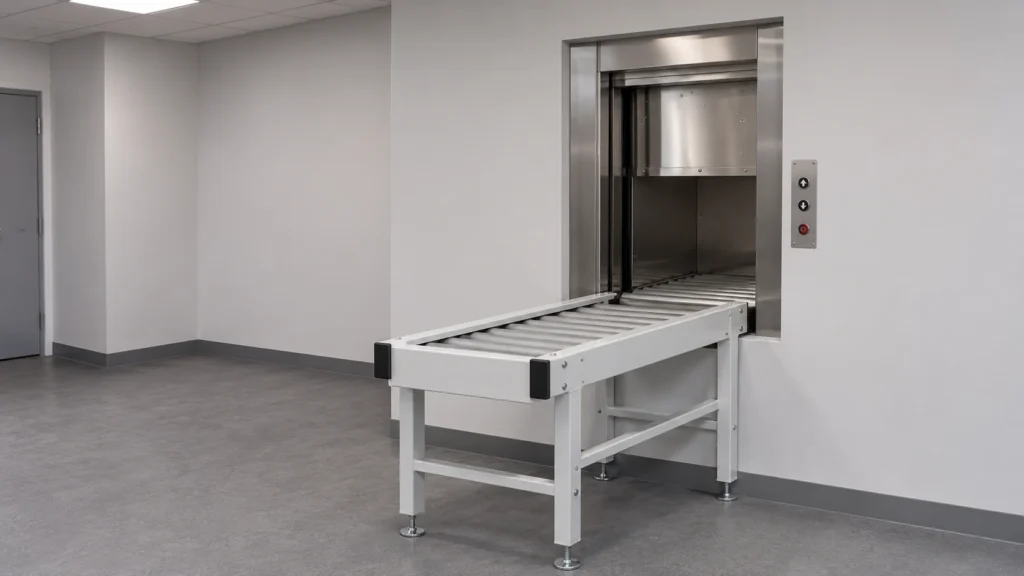
A document lift is a small goods-only service lift used to move files, books, post and other suitable items between floors. Its main benefit is reducing repeated carrying on stairs where physical records and materials regularly move between departments or storage areas.

The term describes an application of a dumbwaiter or service lift, rather than a separate document-management system. A document lift transports the load; staff remain responsible for organising, recording and collecting it.

For offices, libraries and archives, the right installation depends on what needs to move, how often it moves and how it will be loaded.

What can a document lift carry?

A suitably specified document lift can transport items such as:

  • Files, folders and bound records.
  • Books and journals.
  • Internal post and stationery.
  • Document trays and suitable storage boxes.
  • Small office supplies within its intended use.

The load must fit inside the car, remain stable during travel and stay within the lift’s rated capacity. A box of paper or books can be heavier than its size suggests, so capacity should be based on actual loaded weights.

Document lifts carry goods only. People must never travel inside them.

What are the benefits of a document lift?

Less carrying between floors

Moving individual files may be straightforward, but repeated journeys with books, archive boxes or bundles of post can become an awkward handling task.

A document lift can remove the stair-carrying stage from that journey. However, loading and unloading still need consideration: a poorly positioned entrance may leave staff bending, reaching or lifting unnecessarily.

HSE’s manual-handling guidance explains the importance of avoiding hazardous handling where reasonably practicable, assessing unavoidable tasks and reducing the remaining risks. A lift can form part of that approach when it suits the task.

Fewer interruptions to everyday work

Where physical materials regularly move between floors, a dedicated lift can reduce the need for staff to leave their working area to carry them.

For example, an archive team could send requested files to a collection point on another floor. The receiving team would collect them without someone making the full journey with the load.

The benefit depends on having a clear process. Staff need to know what has been sent, where it is going and who will collect it.

A practical connection to storage areas

Some organisations keep records or book stock away from their main working floor. A service lift can connect those areas, provided the proposed route and landing positions are suitable.

This may be useful in a library with storage on another level, an office with a separate records room or an archive where materials frequently move to a consultation area.

Husbands’ commercial dumbwaiters and service lifts can be assessed against the dimensions, weight and frequency of these loads.

Where are document lifts useful?

A document lift is most relevant where there is a recurring need to move physical materials vertically.

Setting Possible application Main consideration
Offices Files, internal post and stationery between departments Frequency of journeys and convenient collection points
Libraries Books between storage and staff processing areas Loaded weight, shelving and handling method
Archives Boxed records between storage and consultation areas Box dimensions, stability and collection procedures
Professional practices Physical case files between working floors Confidentiality and controlled handover

A lift may offer little benefit where most records are digital and physical transfers are infrequent. It is worth observing the existing task before committing space and budget to an installation.

How do you choose the right document lift?

Start with the load and its journey, rather than selecting a lift by capacity alone.

Measure the items being transported

Record the dimensions of the largest box, tray or container. Check that it will pass through the landing opening and fit inside the usable car space.

If several items need to travel together, assess the full load arrangement, including any shelves.

Establish the loaded weight

Include the contents and the container. The lift’s rated capacity must accommodate the intended load, but that does not mean staff should manually lift an equally heavy box into it.

Consider the loading method

Counter-height access may suit trays and smaller bundles. Larger quantities arriving on a wheeled cart may be better served by a floor-loading trolley lift, avoiding the need to transfer everything by hand.

Assess the building and peak demand

The specification also needs to consider the number of floors, available shaft space, headroom, power supply and maintenance access.

Think about busy periods as well as average use. Several departments sharing one lift may need agreed priorities and prompt collection to prevent delays.

Can a document lift track or secure confidential files?

A standard document lift moves physical items. It does not automatically identify files, record their location or update a document-management database.

If tracking is needed, the organisation must establish a separate process, such as logging dispatch and receipt. Any proposed connection to software would require specific technical assessment.

Confidentiality also needs planning. Landing locations, access arrangements and collection procedures should prevent sensitive records being left unattended or collected by the wrong person. A lift should not be assumed to provide secure document storage.

Do document lifts need maintenance?

Yes. Regular servicing is needed even where loads are relatively light. Doors, interlocks, controls and lifting components must remain in suitable working condition.

Maintenance should reflect the manufacturer’s instructions, installation conditions and frequency of use. Workplace thorough-examination requirements also need to be addressed separately from routine servicing.

Husbands provides service lift maintenance and repairs to support ongoing reliability.

Is a document lift right for your workplace?

A document lift is worth considering when staff repeatedly carry files, books or supplies between floors and there is a suitable route connecting the relevant areas.

The strongest case comes from a clearly identified task: what moves, how much it weighs, how frequently it travels and who receives it. That information helps establish whether a compact service lift, trolley lift or another arrangement would be most practical.

Contact Husbands to discuss your building and handling requirements. The team can help assess the available space and suitable lift options.


Leave a Reply

Your email address will not be published. Required fields are marked *

Recent Posts

Document Lifts: Benefits for Offices, Libraries and Archives

Document lifts are versatile tools that can greatly enhance productivity…

Hotel Dumbwaiters: Improving Food Service and Back-of-House Efficiency

Have you ever wondered how hotels efficiently transport various items,…

Why Do Houses Have Dumbwaiters?

Houses have dumbwaiters to move groceries, meals, laundry and other…

Dumbwaiter vs Passenger Lift: What’s the Difference?

A dumbwaiter is a small goods-only lift used to move…

Dumbwaiter Replacement: What’s Involved and How to Prepare

Replacing a dumbwaiter is a different job from installing one…

Benefits of a Dumbwaiter Lift for Homes and Businesses

A dumbwaiter does one job: it moves items between floors…

What is a Service Lift?

A service lift is the umbrella term for a lift…

Dumbwaiters & Wine Cellars: A Perfect Pairing

A bespoke dumbwaiter adds effortless luxury to any wine cellar,…

Dumbwaiter vs Goods Lift: What’s the Difference?

Dumbwaiters and goods lifts both move items between floors, and…

How to Use a Dumbwaiter Safely

Dumbwaiters are a staple in both residential and commercial establishments.…

How Dumbwaiters Improve Safety in Commercial Environments

In the realm of commercial operations, prioritising health and safety…

Under-Bar Dumbwaiters: Compact Lifts for Bars and Pubs

Not every bar needs a full-size dumbwaiter running food and…

Industrial Dumbwaiters: Heavy-Duty Lifts for Manufacturing and Production

Industrial environments move a lot of material between floors and…

Dumbwaiter Installation Process

Are you considering installing a dumbwaiter in your residential or…

A Guide to Dumbwaiter Cleaning

In this guide, we will delve deeper into the importance…

Different Types of Dumbwaiter Lifts

The role of dumb waiter lifts in modern architectural design…

What Affects the Cost of a Dumbwaiter Lift? (Key Price Factors)

If you’ve searched for dumbwaiter cost or dumbwaiter lift prices,…

Service Lift Size Guide: Trolley Lifts & Goods Lifts (UK)

Choosing the right service lift comes down to two questions:…

Do Dumbwaiters Need LOLER Inspections? Your UK Safety & Compliance Guide

A regular dumbwaiter safety inspection is not just crucial for…

What Impacts Dumbwaiter Lifespan? A Technical Breakdown

How long should a dumbwaiter last? It is a common question…

Private Residences with Service Zones: Why Bespoke Dumbwaiters Are Becoming Standard

Luxury residential design has evolved well beyond impressive kitchens, statement…

Service Lift Lifespan: What Affects Performance Over Time?

Dumbwaiters are long-term assets. When designed and specified correctly, they…

Common Mistakes When Specifying Service Lifts in Commercial Projects

In many commercial projects, service lifts are not always given…

How to Specify a Dumbwaiter or Service Lift in a Multi-Unit Residential Development

Multi-unit residential developments present a different set of challenges compared…

Dumbwaiters in Heritage Renovations: Protecting Character While Improving Function

Renovating a heritage property presents a unique balance of responsibility…

Concealed Dumbwaiters: Integrating Lifts into Joinery and Cabinetry

In high-end residential and hospitality projects, functionality must never interrupt…

Designing Quiet Dumbwaiters for Noise-Sensitive Environments

In many modern buildings, noise control is just as important…

How Bespoke Dumbwaiters Solve Awkward Floorplans

Not every building is designed around clean lines and generous…

Architect’s Guide to Specifying Dumbwaiters in Luxury Projects

In luxury developments, every design decision must balance aesthetics, performance,…

Why Service Lifts Are Essential in Boutique Hotels and Restaurants

Boutique hotels and independent restaurants rely on exceptional service, seamless…

The Engineering Behind a Successful Dumbwaiter Modernisation

Modernising an older dumbwaiter is one of the most effective…

How Control System Upgrades Transform Older Service Lifts

The control system is the heart of any service lift.…

Integrating Dumbwaiters into Modern Open-Plan Kitchens

Open-plan kitchens continue to dominate modern home and commercial design.…

Sustainable Engineering: How Service Lifts Fit into Green Building Design

Sustainability is now a central consideration in modern architecture and…

Common Refurbishment Upgrades That Transform Older Service Lifts

Over time, even the most reliable dumbwaiters and service lifts…

Why Care Homes Benefit from Bespoke Service Lifts

In care homes, efficient day-to-day routines directly affect resident wellbeing.…

How to Choose the Right Capacity and Configuration for a Service Lift

Selecting the right service lift for your building is about…

How Husbands Supports Legacy Dumbwaiter Systems with Hard-to-Find Parts

Across the UK, many restaurants, hotels, and heritage properties still…

Beyond Convenience: Why Dumbwaiters Are Becoming a Design Feature

For decades, dumbwaiters were considered purely practical. Their job was…

Refurbishment vs Replacement: Which Is Right for Your Dumbwaiter?

Like any piece of equipment, dumbwaiters have a working life.…

Choosing the Right Dumbwaiter Size — UK Expert Guide

Choosing the right dumbwaiter size is about more than just…

How Dumbwaiters Support Zero-Contact Service in Healthcare

In healthcare settings, safety and hygiene are paramount. The movement…

Specifying a Dumbwaiter for Wine Cellars and Tasting Rooms

For homes and venues with dedicated wine cellars or tasting…

How Dumbwaiters Enhance Guest Experience in High-End Holiday Homes

In the world of luxury hospitality, guest experience is everything.…

Customising a Dumbwaiter for Secure Document Transport

In environments where confidentiality and precision are paramount, the way…

Choosing the Right Dumbwaiter for a High-Use Workplace

In fast-paced workplaces, efficiency isn’t just an advantage – it’s…

Emergency Dumbwaiter Repairs: What You Need to Know

A dumbwaiter breakdown can bring everything to a halt. Whether…

How Our Bespoke Dumbwaiters Compare to Off-the-Shelf Models

When considering a dumbwaiter for your property, it’s tempting to…

Why Bespoke Dumbwaiters Are the Future of Luxury Interiors

In the world of luxury interiors, true elegance lies not…

How Commercial Kitchens Benefit from a Well-Placed Dumbwaiter

Dumbwaiters: The Unsung Hero of Commercial Kitchens In a busy…

Upgrading an Old Dumbwaiter: When Is It Worth It?

Over time, even the most reliable equipment can start showing…

Dumbwaiter Installation Process Explained: What to Expect

Installing a dumbwaiter can be a great way to improve…

Dumbwaiters for Spas & Wellness Centres: A Hidden Asset

Spas and wellness centres are all about providing a peaceful,…

Signs Your Dumbwaiter Needs a Repair

Sometimes the signs that your dumbwaiter needs a repair are…

How Dumbwaiters Improve Service in Boutique Restaurants & Cafés

Dumbwaiters boost efficiency in boutique restaurants and cafés by quickly…

The Role of Dumbwaiters in Event Venues & Stadiums

From transporting equipment and supplies to ensuring seamless catering operations,…

How Smart Tech Is Changing Dumbwaiter Design

Smart technology is revolutionising dumbwaiters, making them more efficient, secure,…

Dumbwaiters in Private Clinics: A Practical Solution

Let’s explore why private clinics are embracing dumbwaiters as a…

Dumbwaiters for Exclusive Venues: Private Clubs & Luxury Retail

From private clubs to luxury boutiques, a well-designed dumbwaiter ensures…

Dumbwaiters for Architects: What to Consider in a Project

Dumbwaiters for architects: Key considerations for shaft design, compliance, fire…

Microlift vs. Bespoke Dumbwaiters: Which is Better for Your Project?

Microlift vs. Bespoke Dumbwaiters: Discover which lift offers the best…

How Dumbwaiters Modernise Michelin-Starred Kitchens in London

Learn how dumbwaiters transform high-pressure kitchens in London’s finest restaurants.…

Standard Dumbwaiters vs. Bespoke Dumbwaiters: What’s the Difference?

Standard or bespoke dumbwaiters? Discover the key differences, benefits, and…

Dumbwaiters in Multi-Story Residential Homes: Improving Daily Living

Discover the benefits of dumbwaiters for residential homes. Save time,…

Retrofitting Dumbwaiters in Historical Buildings: Challenges and Solutions

Retrofitting dumbwaiters into historical buildings can be a transformative way…

Reducing Workplace Injuries with Trolley Lifts: Best Practices for Safety

Trolley lifts: the key to safer workplaces. Explore their benefits…

Understanding Maintenance Regulations for Platform Lifts in Public Spaces

Platform lifts play a vital role in ensuring accessibility for…

The Role of Platform Lifts in Residential Buildings: Enhancing Home Accessibility

Platform lifts, also known as residential platform lifts, are a…

Dumbwaiter FAQs: Everything You Need to Know Before Buying

Dumbwaiters have become increasingly popular in both residential and commercial…

Dumbwaiters in Schools for Multi-Level Efficiency

Why do schools, bustling with activities and materials, still rely…

Dumbwaiter Installation in Restaurants: A Complete Guide

In this guide, we’ll explore the numerous benefits and essential…

Dumbwaiters for Luxury Homes: Style and Convenience

Can enhancing the functionality of a luxury home be as…

Trolley Lifts for Healthcare: Enhancing Safety and Efficiency in Hospitals

Trolley lifts can be customised to fit the unique specifications…

How Dumbwaiters Can Improve Hospitality Service Efficiency

Dumbwaiters not only enhance operational efficiency but also significantly reduce…

Maximising Space Efficiency with Trolley Lifts in Retail Stores

By incorporating innovative design and functional versatility, these lifts ensure…

Dumbwaiter Safety Standards: Ensuring Compliance in Commercial Spaces

Comprehensive dumbwaiter installation regulations are paramount in high-demand environments, such…

Platform Lifts in Education: Making Schools and Universities Accessible

Did you know that all educational buildings are legally required…

Platform Lift Maintenance: What You Can Do and When to Call a Pro

Regular platform lift maintenance is crucial and adhering to the…

The Role of Dumbwaiters in Sustainable Building Design

In modern sustainable architecture across the UK, the dumbwaiter lift…

The Mechanics Behind Trolley Lifts: Understanding Their Functionality

Trolley lifts are becoming invaluable tools across various industries due…

Platform Lifts in the Workplace: Enhancing Productivity and Accessibility

Platform lifts are pivotal elements in modern workplaces, enhancing the…

Maintenance Schedules: Keeping Your Dumbwaiter Running Smoothly Year-Round

By following these best practices and engaging professional lift companies…

Top Industries Benefiting from Trolley Lifts: Beyond Warehousing

Not just confined to warehousing, the versatility of these trolley…

Top Considerations When Choosing a Dumbwaiter for Your Business

Each type of dumbwaiter caters to distinct operational demands, from…

The Role of Platform Lifts When Designing Inclusive Public Spaces

Inclusive design in public spaces goes beyond just following rules;…

Understanding the Cost of Platform Lifts: Investment and ROI

In the United Kingdom, an estimated one in twenty people…

DIY Dumbwaiter Maintenance: What You Can Do and When to Call a Professional

Dumbwaiters provide a means of streamlining tasks for both domestic…

The Cost-Effectiveness of Dumbwaiters: Saving Time and Money

By reducing the need for extra staff and minimising physical…

Platform Lift Maintenance: Tips for Ensuring Longevity and Safety

Platform lifts are essential components of modern buildings, providing accessibility…

Creative Uses for Trolley Lifts in Contemporary Architecture and Design

No longer restricted to mere goods transportation, these innovative pieces…

How Platform Lifts Can Enhance Accessibility in Sports and Recreation Facilities

By integrating features such as ramps, platform lifts, and accessible…

Top Mistakes to Avoid in Dumbwaiter Maintenance and How to Fix Them

Ensuring the reliability and efficiency of your dumbwaiter involves diligent…

Dumbwaiters for Multi-Level Offices: Enhancing Workplace Efficiency

Dumbwaiters function as indispensable vertical conveyance solutions in multi-level office…

The Benefits of Commercial Floor-Loading Dumbwaiters

Commercial floor-loading dumbwaiters are essential tools for restaurants, bars, and…

Upgrade Your Space with Dumbwaiter Modernisation

By upgrading your dumbwaiter, you can experience a range of…

Talk to an Live Expert (Replies typically Instant)