

Dumbwaiters are long-term assets. When designed and specified correctly, they can operate reliably for decades. When they are not, issues tend to appear far earlier than expected.
Lifespan is not determined by a single factor. It is shaped by early design decisions, the quality of installation, how the lift is used day to day, and how well it is maintained over time.
With more than 60 years of experience supporting projects across hospitality, healthcare, retail and high-end residential, Husbands approaches every installation with lifecycle performance in mind. Understanding what impacts lifespan is key to getting the most from your investment.
Build Quality and Initial Specification
The foundation of any dumbwaiter’s lifespan is set at the specification stage. Systems that are designed around the building and its intended use tend to perform better over time than those selected from standard ranges, particularly when opting for bespoke dumbwaiters. Correct sizing, appropriate load capacity and the right configuration all play a role in reducing long-term strain on the system.
Component quality is equally important. Motors, guide systems, controls and door mechanisms all contribute to reliability. A well-specified service lift is engineered to suit the application, rather than forcing a standard product into a non-standard environment.
Frequency and Type of Usage
How often a dumbwaiter is used is only part of the picture. The type of usage is just as important.
A lift operating in a private residence will experience very different demands compared to one in a busy commercial kitchen or healthcare setting using commercial dumbwaiters. High-frequency use, peak service periods and the nature of the goods being transported all contribute to wear.
Where there is a mismatch between specification and usage, components are placed under greater stress. Over time, this accelerates wear and reduces overall lifespan.
Installation Quality and Site Conditions
Even the best-designed system can underperform if installation is not carried out correctly.
Alignment, structural tolerances and correct setup all affect how smoothly a lift operates. Small inconsistencies at installation stage can lead to ongoing mechanical strain.
Site conditions also matter. Heat from commercial kitchens, moisture in clinical or spa environments, and general dust or debris can all impact performance. Accounting for these factors during design and installation helps protect the system over time.
Maintenance and Servicing Regime
Maintenance is one of the most significant factors in extending lifespan.
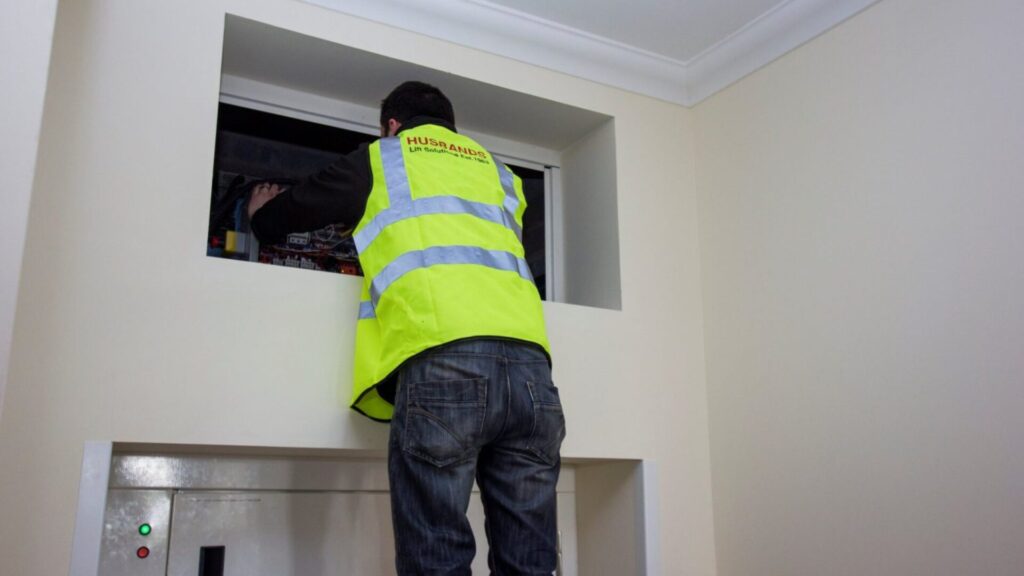
Regular, preventative servicing allows components to be inspected, adjusted and replaced before issues escalate. In contrast, reactive maintenance often results in more significant failures and higher long-term costs.
A structured maintenance plan helps ensure consistent performance, reduces downtime and supports compliance with ongoing safety requirements.
Component Wear and Replaceable Parts
All mechanical systems include components that are designed to wear over time.
In dumbwaiters, this typically includes ropes or belts, guide shoes, door interlocks and control systems. These elements require periodic replacement as part of normal operation.
Access to reliable spare parts is essential. Where parts are difficult to source, or systems are no longer supported, even minor issues can lead to extended downtime. Planning for component replacement helps avoid unexpected disruption.
Modernisation and Control Upgrades
A dumbwaiter reaching a certain age does not always require full replacement.
In many cases, upgrading control systems or key components can significantly improve performance and extend lifespan. Modern controls offer better reliability, smoother operation and improved safety features.
Refurbishment can often be carried out with less disruption than a full replacement, making it a practical option for operational environments. Learn more about dumbwaiter refurbishment and modernisation and how it can extend system lifespan.
Compliance and Safety Standards
Compliance plays an ongoing role in determining lifespan. Standards such as EN 81-3 and LOLER requirements must be met throughout the life of the lift. Older systems may fall behind current expectations, requiring upgrades to remain compliant.
Addressing compliance proactively helps avoid forced upgrades or operational restrictions later on.
When Replacement Becomes the Right Option
There comes a point where replacement is the most practical solution. Frequent breakdowns, increasing repair costs, or difficulty sourcing parts are all indicators that a system may be reaching the end of its useful life. In these cases, continuing to repair an ageing lift can become less cost-effective than installing a new one.
An expert assessment can help determine whether refurbishment or replacement offers the best long-term outcome.
Conclusion
Dumbwaiter lifespan is not fixed. It is influenced by a combination of design decisions, usage patterns, installation quality and ongoing care. By taking a considered approach from the outset and maintaining the system properly over time, it is possible to achieve reliable, long-term performance.
If you want to maximise the lifespan of your dumbwaiter, or ensure a new system is specified correctly from the start, Husbands can help.
With over 60 years of experience delivering and supporting bespoke service lifts across the UK, we provide expert guidance at every stage, from design and installation through to maintenance and modernisation. Contact our team to discuss your project or existing system and get practical, expert advice.