
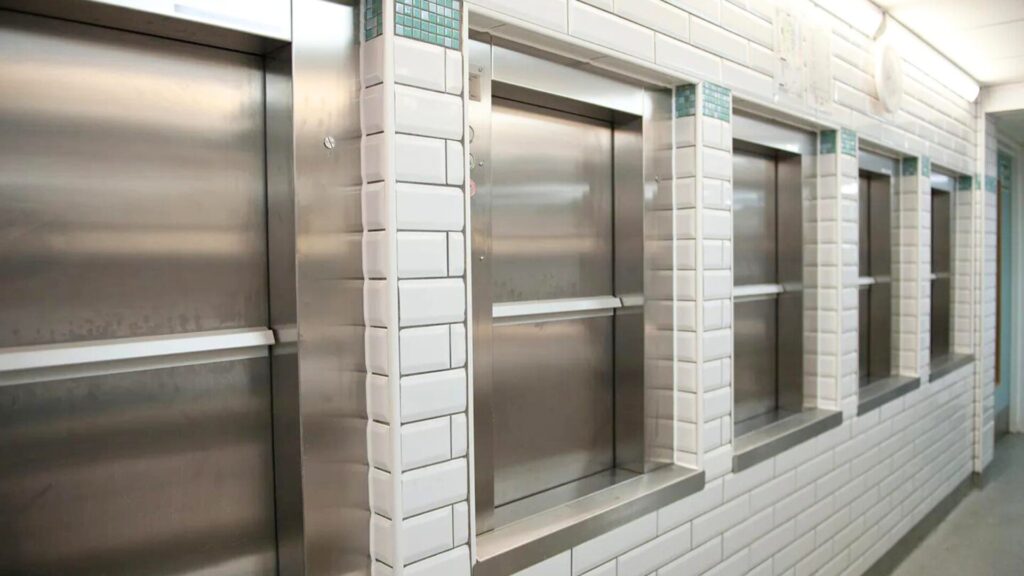

Multi-unit residential developments present a different set of challenges compared to single private homes. Architects and developers must balance efficiency, space planning, compliance, acoustic performance, and long-term durability across multiple dwellings. When vertical transport of goods is required, whether within duplex apartments, penthouses, concierge areas, or shared service zones, careful specification of both dumbwaiters and service lifts is essential.
The right system can enhance functionality, improve convenience for residents and staff, and add measurable long-term value to a development. Achieving this requires early planning and a clear understanding of usage patterns, capacity requirements, and building constraints.
Understanding the Difference Between Dumbwaiters and Service Lifts
Before specifying a system, it is important to determine whether a compact dumbwaiter or a larger service lift is more appropriate.
Dumbwaiters are typically suited to lighter loads and smaller footprints, making them ideal for duplex apartments, high-end penthouses, and internal residential service zones. Service lifts, by contrast, are designed to carry heavier loads and operate at higher duty cycles. They are often better suited to shared facilities, concierge-led operations, back of house areas, or developments with multiple service stops.
Selecting the correct type of lift at concept stage ensures the system aligns with the building’s operational needs rather than being treated as a late addition.
Defining the Use Case Across the Development
In multi-unit schemes, usage requirements can vary significantly. Some lifts may serve individual apartments, allowing residents to move groceries, laundry, or household items discreetly between floors. Others may serve communal areas, transporting cleaning equipment, deliveries, or catering supplies.
Clearly defining load types, frequency of use, number of stops, and whether the lift is private or shared ensures accurate specification. Over-specifying can waste valuable space, while under-specifying can reduce lifespan and increase maintenance requirements.
Planning Shaft Space and Structural Coordination
In larger developments, vertical risers and service shafts are tightly coordinated with mechanical and electrical systems. Allocating space for dumbwaiters or service lifts at concept stage prevents costly redesign later in the programme.
Where structural grids or apartment stacking create constraints, a bespoke dumbwaiter or tailored service lift solution provides greater adaptability than standard models. Custom shaft dimensions and landing configurations allow systems to integrate seamlessly into complex layouts.
Early coordination with structural engineers ensures that loads, support points, and clearances are properly considered from the outset.
Selecting the Right Capacity and Configuration
Capacity should reflect realistic daily usage rather than maximum theoretical loads. In residential settings, this may include groceries, laundry, refuse movement, or occasional catering equipment.
For larger developments with shared operational areas, service lifts may need to accommodate heavier or more frequent loads. Configuration choices such as through-loading, side-loading, or front-loading arrangements should align with circulation routes and service corridors.
Our technical guidance on dumbwaiter sizes and capacities can assist when determining appropriate specifications for smaller residential systems, while larger service lifts require careful duty cycle assessment.
Acoustic Performance in Residential Environments
Noise sensitivity is particularly important in apartment developments. Sound transfer between units can lead to complaints if lift systems are not carefully engineered.
Modern dumbwaiters and service lifts incorporate refined motors, smooth control systems, and vibration isolation to minimise disruption. Proper shaft detailing, resilient mountings, and thoughtful placement reduce noise transmission and help meet residential acoustic expectations.
Considering acoustic performance at specification stage is far more effective than attempting to resolve issues after installation.
Durability and Long-Term Maintenance Planning
In multi-unit developments, systems must be designed for longevity. Shared service lifts in particular may experience higher usage volumes and increased wear over time.
Selecting robust components, planning accessible servicing points, and establishing clear maintenance strategies are essential. Developers benefit from early collaboration with lift specialists to reduce long-term operational risk and protect asset value.
Our dedicated architects and designers page outlines how we support development teams from early concept through to installation and ongoing servicing.
Compliance and Safety Across Multiple Dwellings
All dumbwaiters and service lifts must comply with BS EN 81-3 and LOLER regulations, alongside wider building control and fire safety requirements. In multi-unit schemes, documentation and certification are particularly important to satisfy handover and warranty processes.
Early engagement with building control ensures approval pathways are clear and reduces the likelihood of delays at completion stage.
Enhancing Value in Residential Schemes
Beyond practicality, well-specified vertical transport can enhance the perceived quality of a development. In premium apartment schemes and serviced residences, private dumbwaiters or shared service lifts offer added convenience that differentiates properties in a competitive market.
When discreetly integrated into the design, these systems demonstrate thoughtful planning and long-term consideration for residents and operational teams.
Conclusion
Specifying dumbwaiters and service lifts in multi-unit residential developments requires careful planning, early coordination, and a clear understanding of how the building will function in daily use. By tailoring capacity, configuration, acoustic performance, and maintenance planning to the development’s needs, architects and developers can deliver systems that perform reliably for years.
With over 60 years of experience in lift design and installation, Husbands works closely with development teams to engineer bespoke dumbwaiter and service lift solutions that integrate seamlessly into complex residential projects.
If you are planning a multi-unit residential scheme and require expert guidance on specifying the right system, contact Husbands to discuss how we can support your project from concept through to completion.