
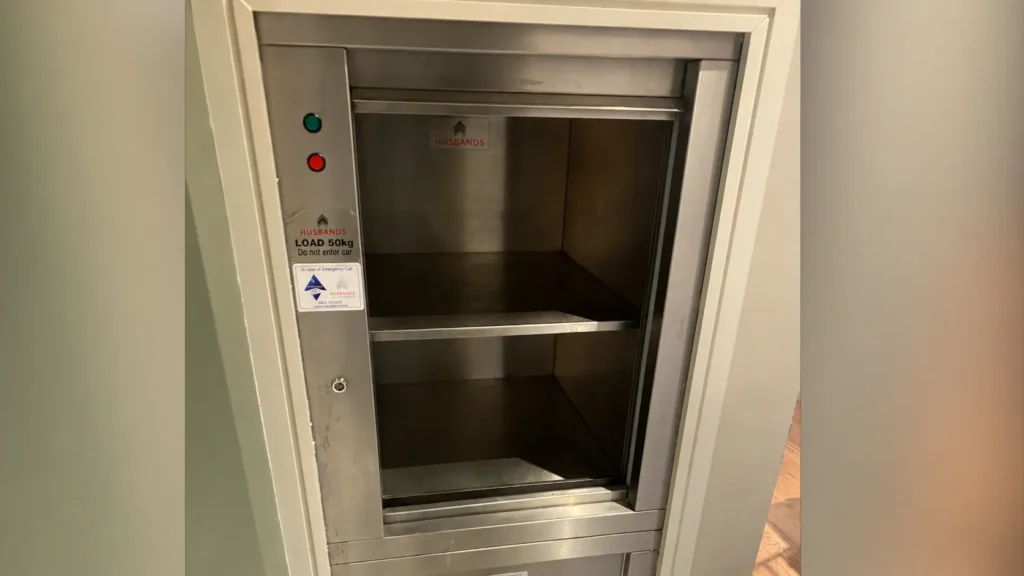

Replacing a dumbwaiter is a different job from installing one from scratch. The shaft is already there, the building is already working around the lift, and the aim is usually a new unit that fits what you have with as little disruption as possible. This guide explains what is involved, what to gather before you ask for a quote, and the mistakes that most often cause delays.
When Replacement Makes Sense
Most owners start thinking about replacement after a run of breakdowns, when parts become hard to source, when the lift no longer suits how the building is used, or when an examination raises safety concerns. Our guide to the signs your dumbwaiter needs a repair covers the early warnings.
Replacement is not always the answer. If the structure and drive are sound, refurbishment or a control system upgrade may be enough, and parts for older lifts can often still be sourced. Our guide to refurbishment vs replacement helps you weigh up the choice, and we explain how we support legacy dumbwaiter systems and how control system upgrades can extend a lift’s life. If you have already decided to replace, read on.
What You Can Change When You Replace
Replacement is a chance to fix what never quite worked. You can revisit the capacity, the car size, the door configuration at each level, the finishes, and the controls. Some of those changes are simple. Others, such as a larger car or doors in different positions, may need changes to the shaft or the openings, so it is worth raising them at the start rather than after the quote.
Fitting a New Dumbwaiter into an Existing Shaft
The shaft is the fixed point. A made-to-measure dumbwaiter is designed around the dimensions of the shaft and landing openings you already have, rather than asking you to alter the building to suit a standard size. That can keep structural work to a minimum. Our bespoke dumbwaiters are built to measure for this reason.
A survey is still essential. It confirms the condition of the shaft, its dimensions, the headroom and pit available, and the state of the openings. Not every existing shaft will be suitable as it stands, and a survey is the only reliable way to know.
What to Gather Before You Ask for a Quote
You do not need everything on this list, but the more you can provide, the faster and more accurate the quote will be:
- Make, model, and age of the existing lift, usually on the rating plate
- Rated load and car size
- Number of stops and which floors they serve
- Door and loading type at each level
- Shaft dimensions, including width, depth, travel, and any headroom and pit measurements you can take
- Photos of the machine area, the shaft openings, and each landing
- What is wrong with the current lift, and what you want from the new one
- How heavily it is used and what it carries
Our dumbwaiter size guide explains typical dimensions if you are unsure what to measure.
How the Process Usually Works
- Site survey and measurement, to confirm the shaft, openings, and requirements
- Specification and quotation, based on what the survey finds
- Manufacture to order, built to the agreed specification
- Removal of the old unit and installation of the new one
- Testing, examination, and handover
Timings and details are agreed for each project. It is worth asking at the outset whether removal and disposal of the old lift is included, so there are no surprises on the day.
Planning for Downtime
Your lift will be out of service while it is replaced, so plan ahead. Where possible, schedule the work for a quieter period, agree the timings in advance, and decide how goods will be moved in the meantime. Remember that carrying items by hand brings back the manual handling risks the lift was removing, so a temporary plan matters. How long the work takes depends on the lift, the shaft, and what needs to be removed, which is why it is agreed at survey stage.
Compliance After Replacement
A new lift will normally need a thorough examination before it goes into service, and regular examinations and servicing continue from there. Our guide on LOLER inspections and compliance explains the examination side, and our guide to dumbwaiter servicing and maintenance covers servicing. It makes sense to set up servicing from day one, rather than after the first fault.
What Affects the Cost
The cost of a replacement depends on the size and specification of the new unit, the condition of the existing shaft and any changes it needs, the finishes and controls you choose, and whether the old unit needs removing. There is no single figure, but our guide on what affects dumbwaiter lift cost explains the factors in detail.
Common Mistakes to Avoid
- Assuming a standard size will fit. Existing shafts vary, and a standard unit may not suit yours.
- Skipping the headroom and pit. These are often overlooked and can decide whether a unit fits.
- Replacing like for like when your needs have changed. If you need a bigger load or a different door layout, say so early.
- Leaving removal of the old unit unresolved. Agree who is responsible before work starts.
- Having no servicing plan. A new lift still needs looking after.
Getting Started
If you are replacing a dumbwaiter, the easiest first step is a conversation about what you have now and what you need from the new one. Take a look at our commercial dumbwaiters or get in touch to arrange a survey.
Frequently Asked Questions
How do I know whether to replace or refurbish my dumbwaiter? If the structure and drive are sound, refurbishment or a control upgrade may be enough. If breakdowns are frequent, parts are hard to find, or the lift no longer suits your needs, replacement is usually the better route.
Can a new dumbwaiter fit my existing shaft? Often, yes. A made-to-measure unit is designed around your existing shaft and openings. A survey confirms whether the shaft is suitable and whether any changes are needed.
Do I need to know the make and model of my old dumbwaiter? It helps, but it is not essential. The rating plate is the best place to look, and a survey fills in the gaps.
How long does a replacement take? It depends on the lift, the shaft, and what needs to be removed, so it is agreed at survey stage rather than quoted in general terms.
Will a replacement dumbwaiter need an examination before use? A new lift will normally need a thorough examination before it goes into service, followed by regular examinations and servicing. Get in touch if you would like to talk through what is involved.